
Why Chronic Inflammation Keeps Your Hormones Out of Balance

Why Chronic Inflammation Keeps Your Hormones Out of Balance
By Dr. Wanique Peterson, DC IFMCP | Credence Functional Health
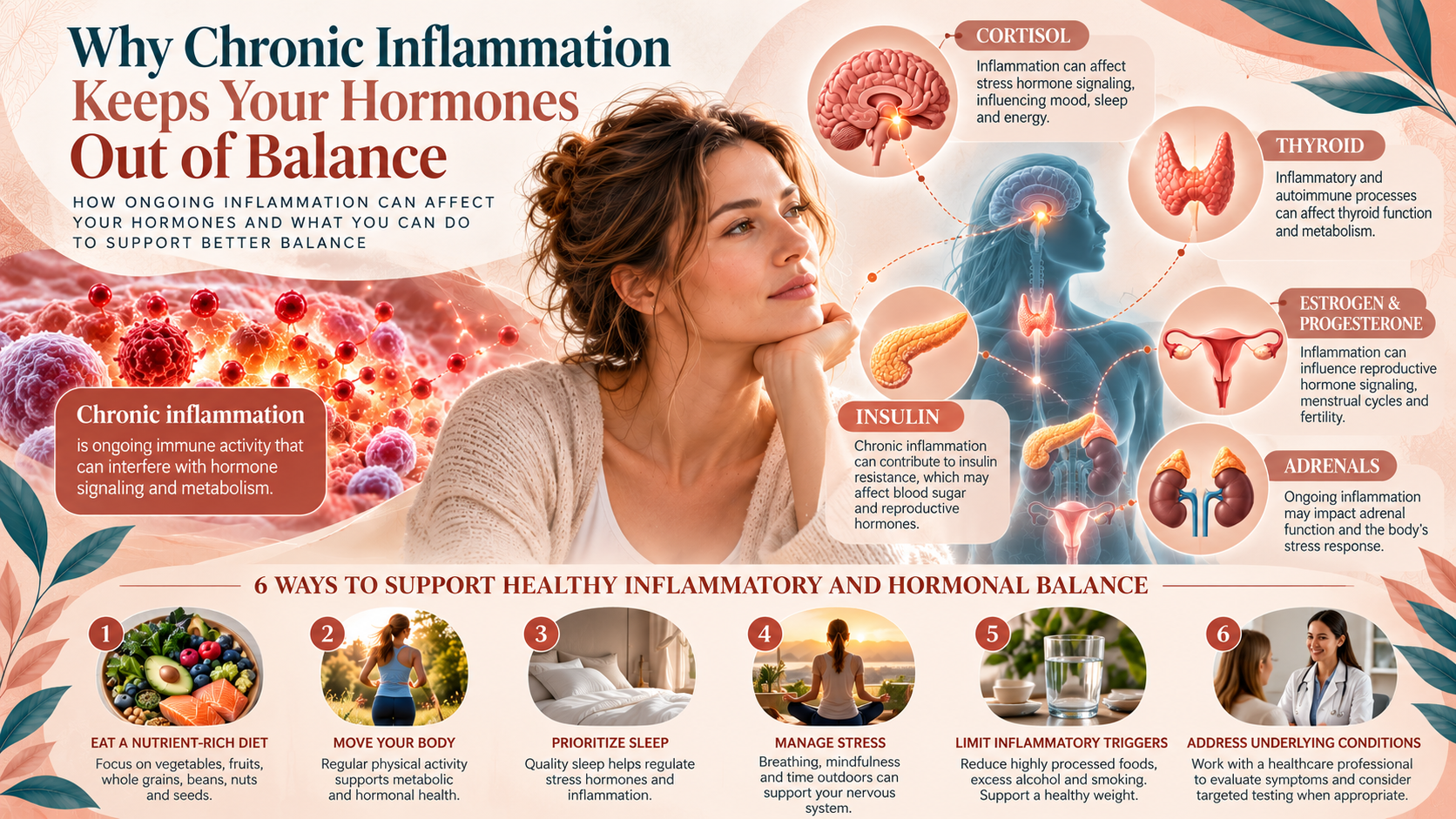
Hormones influence nearly every major system in your body, from your metabolism and sleep to your menstrual cycle, mood, and energy levels. But when something disrupts the body's normal regulatory processes, you may begin noticing changes that are difficult to explain.
You might feel exhausted despite getting enough sleep. Your periods may become irregular, your weight may change, or you may experience more PMS symptoms, brain fog, or difficulty recovering from stress.
One factor worth understanding is chronic inflammation.
Inflammation is a normal part of your body's defense and repair system. It helps you respond to infections, injuries, and other challenges. The problem can arise when inflammatory activity persists longer than necessary.
Over time, chronic inflammation may interfere with the signaling pathways that help regulate hormones, including insulin, cortisol, thyroid hormones, and reproductive hormones.
But here is the important distinction: inflammation is not the explanation for every hormonal symptom, and hormonal changes can also contribute to inflammatory activity. Understanding how these systems interact can help you take a more complete approach to your health.
What Is Chronic Inflammation?
Inflammation is the immune system's response to injury, infection, or other threats. Acute inflammation is usually temporary and helps the body heal.
Chronic inflammation is different. It involves ongoing inflammatory activity that can persist over time, sometimes without obvious symptoms.
Several factors may contribute to chronic low-grade inflammation, including:
Insulin resistance and certain metabolic conditions
Excess visceral fat, which is biologically active tissue
Smoking and excessive alcohol intake
Poor sleep and ongoing stress
Certain chronic infections or inflammatory diseases
Dietary patterns that are low in fiber and rich in highly processed foods
These factors do not affect everyone in the same way, and chronic inflammation cannot be diagnosed from symptoms alone. It is also important to identify and treat underlying conditions rather than assuming lifestyle changes alone will resolve the problem.
How Chronic Inflammation May Affect Your Hormones
Hormones act as chemical messengers. They communicate with organs and tissues to coordinate processes such as energy use, reproduction, temperature regulation, and the stress response.
Inflammatory signals can interact with these communication pathways. At the same time, hormones can influence immune activity, making this a two-way relationship. Research describes important interactions between inflammation, insulin, cortisol, thyroid hormones, and reproductive hormones.Here are several connections worth understanding.
1. Insulin and Blood Sugar Regulation
Insulin helps move glucose from your bloodstream into cells for energy. When cells become less responsive to insulin, the pancreas may need to release more of it to maintain blood glucose levels.
This is called insulin resistance.
Chronic inflammation and insulin resistance can reinforce one another in some people, particularly in the context of excess visceral fat and metabolic dysfunction. Over time, insulin resistance can contribute to elevated blood sugar and increase the risk of prediabetes and type 2 diabetes.
Why does this matter for hormone health?
Insulin also interacts with reproductive hormone signaling. In some women with polycystic ovary syndrome (PCOS), elevated insulin can contribute to increased ovarian androgen production and lower levels of sex hormone-binding globulin, a protein that binds sex hormones in the blood. This can influence symptoms such as acne, unwanted facial hair, and irregular menstrual cycles.
This does not mean inflammation causes every case of PCOS. PCOS is a complex hormonal and metabolic condition involving multiple factors.
2. Cortisol and the Stress Response
Cortisol is a hormone produced by the adrenal glands. It helps regulate the body's response to stress, blood pressure, blood sugar, and immune activity.
Inflammatory signals and the body's stress-response system interact with one another. In certain chronic inflammatory conditions, researchers have observed changes in cortisol regulation and other hormonal pathways
Poor sleep, persistent psychological stress, and inadequate recovery may add to the overall burden on the body. However, symptoms such as fatigue, difficulty sleeping, and weight changes do not automatically indicate high cortisol or an adrenal problem.
The goal is not to assume cortisol is the cause of every symptom. It is to consider sleep, stress, medical history, and other possible explanations when evaluating the bigger picture.
3. Thyroid Hormones and Metabolism
Your thyroid helps regulate metabolic activity, temperature, heart rate, and energy use.
Inflammatory and autoimmune conditions can involve the thyroid, but the relationship is complex. For example, Hashimoto's thyroiditis is an autoimmune condition in which the immune system targets thyroid tissue. It can eventually lead to hypothyroidism, meaning the thyroid does not produce enough hormone.
It is important to distinguish autoimmune thyroid disease from general inflammation. Chronic inflammation does not automatically mean your thyroid is underactive, and fatigue or weight gain alone cannot confirm a thyroid problem.
If you are experiencing persistent symptoms, a clinician may consider thyroid-stimulating hormone (TSH), free T4, and thyroid antibody testing when appropriate.
4. Estrogen, Progesterone, and Reproductive Health
Estrogen and progesterone help regulate the menstrual cycle and support reproductive health. Their effects extend beyond reproduction, influencing bone health, brain function, and other body systems.
Inflammatory and metabolic signals can interact with the brain-pituitary-ovarian signaling pathway that helps coordinate reproductive function. Research has explored these connections in conditions such as PCOS and in the context of metabolic dysfunction.
Some women with inflammatory or metabolic conditions experience irregular cycles or other reproductive symptoms. However, these symptoms can have many causes, including pregnancy, perimenopause, thyroid disorders, medications, and other gynecologic conditions.
It is also important to remember that hormonal changes can influence inflammatory activity. The relationship is not simply inflammation causing hormone imbalance.
Could Chronic Inflammation Be Contributing to Your Symptoms?
There is no single symptom that proves chronic inflammation is affecting your hormones. Still, certain patterns may warrant a closer look, especially when symptoms persist or occur together.
These can include:
Ongoing fatigue or poor recovery
Changes in weight or blood sugar regulation
Irregular menstrual cycles
Acne or increased facial hair
Persistent digestive symptoms
Sleep difficulties
Joint discomfort or other signs of an inflammatory condition
Many of these symptoms overlap with common medical conditions. They should be treated as reasons to investigate, not as proof of inflammation or hormone imbalance.
A healthcare professional can use your history, examination, and appropriate testing to determine which explanations are most likely.
6 Ways to Support Healthy Inflammatory and Hormonal Balance
The goal is not to eliminate inflammation completely. Your body needs a functioning inflammatory response. Instead, focus on habits that support metabolic health, recovery, and normal hormone regulation.

1. Build a fiber-rich, varied diet
Include vegetables, fruits, beans, lentils, whole grains, nuts, and seeds. These foods provide fiber and nutrients that support digestive and metabolic health. Aim for a sustainable eating pattern rather than a restrictive detox or elimination diet.

2. Move your body regularly
Walking, strength training, cycling, and other activities you enjoy can support insulin sensitivity and overall metabolic health. Start at a manageable level and build consistency over time.

3. Prioritize quality sleep
Keep a consistent sleep schedule and create a calming bedtime routine. If you regularly wake up tired, snore heavily, or struggle with insomnia, discuss possible sleep problems with your healthcare professional.

4. Make space for stress recovery
Breathing exercises, mindfulness, time outdoors, supportive relationships, and enjoyable activities can help you manage stress. These practices complement medical care rather than replace it.

5. Limit habits that undermine metabolic health
Avoid smoking, moderate or avoid alcohol according to your health needs, and choose mostly minimally processed foods. Small, repeatable changes are often more sustainable than trying to change everything at once.

6. Investigate persistent symptoms
Depending on your history, a clinician may consider blood glucose or A1C, thyroid function, and other targeted tests. Inflammatory markers such as C-reactive protein may be useful in selected situations, but they do not identify the cause on their own.
Avoid starting hormone treatments or high-dose supplements solely to address presumed inflammation without an appropriate evaluation.
Healthy eating, regular activity, adequate sleep, and appropriate medical care can help support metabolic health, including insulin resistance and prediabetes management.
Why a Personalized Approach Matters
Two women can experience similar symptoms for very different reasons. One may have insulin resistance, another may be entering perimenopause, and another may have a thyroid condition, a medication effect, or a sleep disorder.
That is why it is important to look beyond symptoms alone.
At Credence Functional Health, a functional medicine approach considers your health history, symptoms, lifestyle, and relevant clinical findings to help identify factors that may be contributing to your concerns.
This does not mean every problem has one hidden root cause. It means taking the time to understand how different systems may interact and determining which findings are medically meaningful.
You do not have to guess your way through hormone health. A thoughtful evaluation can help clarify what deserves attention and which next steps are appropriate for you.
Frequently Asked Questions
Can chronic inflammation cause hormone imbalance?
Chronic inflammation can interact with hormonal signaling and metabolism. The effects depend on the underlying condition, the hormones involved, and the individual's health. It is not the sole cause of every hormone imbalance.
What are common signs of chronic inflammation?
There is no reliable symptom checklist that can diagnose chronic inflammation. Fatigue, pain, and digestive changes have many possible causes. Persistent or unexplained symptoms deserve a proper medical evaluation.
Can reducing inflammation help with hormonal symptoms?
Addressing an underlying inflammatory or metabolic condition may improve aspects of health and, in some cases, hormone-related symptoms. Results depend on the cause. There is no universal anti-inflammatory diet or supplement that corrects every hormonal problem.
Does chronic inflammation affect estrogen?
Inflammatory and metabolic pathways interact with reproductive hormone signaling. However, inflammation does not automatically mean estrogen is too high or too low. Estrogen levels and symptoms must be interpreted in context, including age, menstrual status, medications, and medical history.
What tests can help identify inflammation or hormone problems?
Testing depends on the symptoms and suspected cause. A clinician may consider a complete blood count, C-reactive protein, blood glucose or A1C, thyroid tests, or selected reproductive hormone tests when appropriate. No single test provides a complete picture of inflammatory or hormonal health.
The Takeaway
Chronic inflammation and hormonal health are connected, but the relationship is complex. Inflammation may interfere with metabolic and reproductive hormone signaling, while hormonal and metabolic changes can also influence inflammatory activity.
Rather than chasing a single hormone level or taking supplements without clear direction, focus on the foundations of health and work with a qualified healthcare professional to investigate persistent symptoms.
At Credence Functional Health, our goal is to help you better understand your health and make informed decisions based on your individual needs.
👉 Schedule your consultation today at 320-226-7758 or book a Free Discovery Call.
References for Further Reading

Disclaimer:
This blog is intended for educational purposes only and does not constitute medical advice, diagnosis, or treatment. Hormonal birth control and hormone-related concerns are complex and should be evaluated by a qualified healthcare provider. At Credence Functional Health, we offer Functional Medicine as a complementary, integrative approach—not a replacement for traditional gynecological or mental health care. The strategies discussed in this blog may not be appropriate for every individual. Always consult your physician before making changes to medications, supplements, or health routines. We encourage you to partner with your medical team to ensure a safe, informed transition that supports your overall wellness.


