
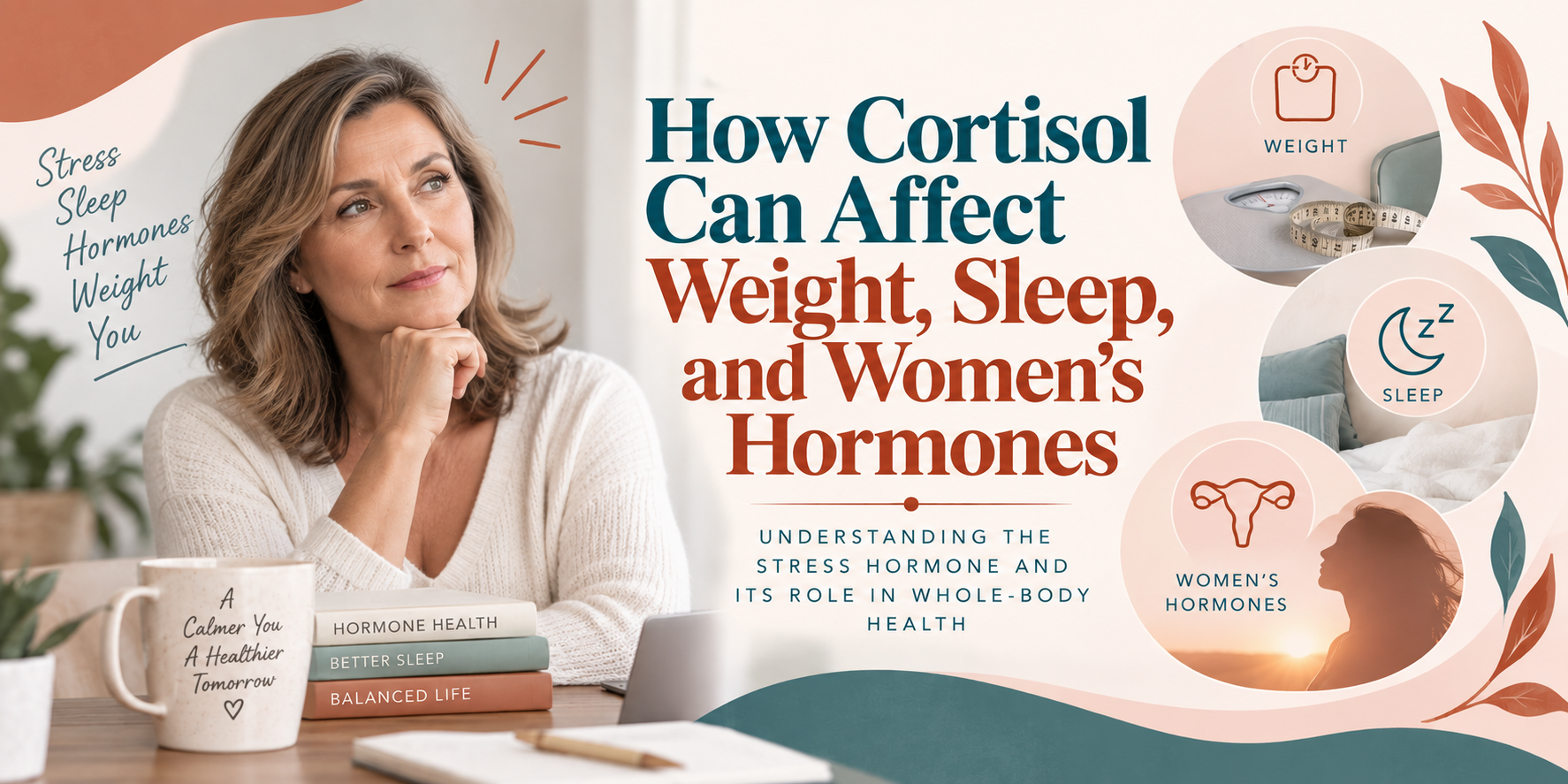
How Cortisol Can Affect Weight, Sleep, and Women's Hormones

How Cortisol Can Affect Weight, Sleep, and Women's Hormones
Understanding the Stress Hormone and Its Role in Whole-Body Health
You may have heard that cortisol is the "stress hormone."
But cortisol is much more than that.
Cortisol is an essential hormone involved in blood sugar regulation, metabolism, blood pressure, immune function, and the body's response to stress. It also follows a natural daily rhythm, typically rising around the time you wake and changing throughout the day. (PubMed Central (PMC))
The problem isn't cortisol itself.
Your body needs cortisol.
The bigger question is whether ongoing stress, disrupted sleep, or other factors are affecting the normal regulation of your stress response.
For women, this can be particularly important because the systems involved in stress, sleep, metabolism, and reproductive hormones communicate with one another.
At Credence Functional Health, we look at these connections because symptoms rarely exist in isolation.
What Exactly Is Cortisol?
Cortisol is a glucocorticoid hormone produced by your adrenal glands as part of the hypothalamic-pituitary-adrenal (HPA) axis.
When your brain perceives a stressor, the HPA axis helps coordinate a response. The hypothalamus signals the pituitary gland, which signals the adrenal glands to release cortisol.
This response is helpful.
If you're dealing with an immediate threat, your body needs to mobilize energy and temporarily prioritize survival.
Once the stressor passes, cortisol participates in a feedback system that helps bring the stress response back toward baseline. (PubMed Central (PMC))
The challenge is that modern stress isn't always something that lasts a few minutes.
Work demands, financial concerns, caregiving, relationship stress, inadequate sleep, illness, and other ongoing pressures can repeatedly activate the body's stress response.
That is where the bigger conversation begins.
Cortisol and Weight: What's the Connection?
Weight regulation is complex.
It involves nutrition, physical activity, genetics, sleep, medications, metabolic health, hormones, environment, and many other factors.
Cortisol is only one piece of that picture.
Research on stress and cortisol suggests that chronic stress can interact with metabolic processes, appetite, food intake, and fat distribution. Sleep disruption can add another layer by affecting appetite-regulating hormones and insulin sensitivity. (PubMed Central (PMC))
This is one reason why simply telling a woman to "eat less and exercise more" may not address everything influencing her experience.
If you're exhausted, sleeping poorly, experiencing high stress, and struggling with cravings, your daily habits and physiology may be interacting in ways that deserve a closer look.
This doesn't mean:
"High cortisol is causing your weight gain."
It means cortisol, stress, sleep, and metabolic health can be connected.
Why Sleep and Cortisol Are So Closely Connected
Your cortisol rhythm and sleep-wake cycle are closely coordinated.
Under normal circumstances, cortisol follows a circadian pattern that helps promote alertness around waking and decreases later in the day as your body prepares for rest. (NHLBI, NIH)
When stress and sleep problems become chronic, this relationship can become more complicated.
Research examining women has described a bidirectional relationship between stress and sleep. Stress can activate the HPA axis and increase cortisol production, while poor sleep can further contribute to stress and changes in cortisol regulation. (PubMed Central (PMC))
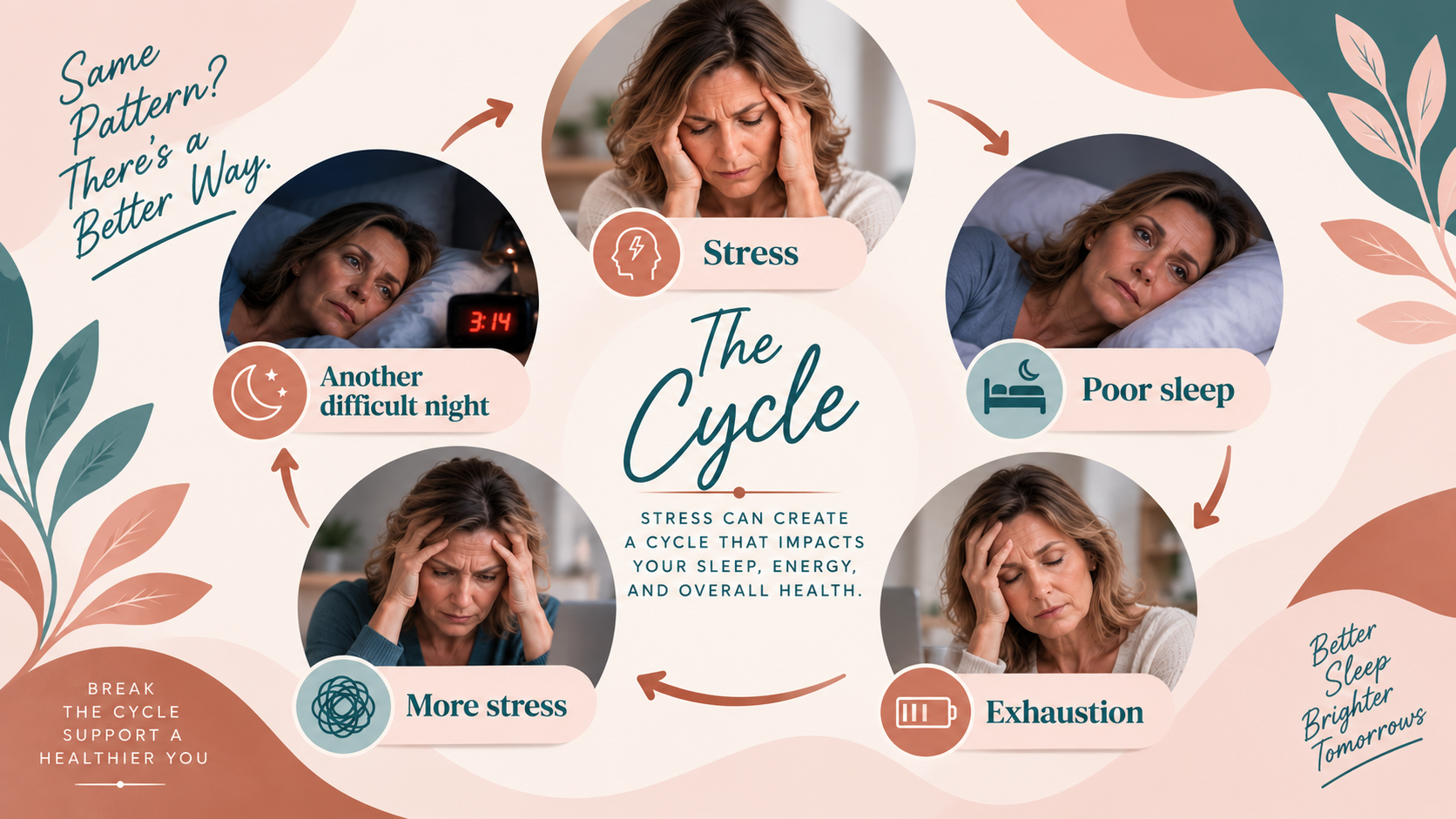
You may recognize the pattern:
Stress → poor sleep → exhaustion → more stress → another difficult night
And when you're exhausted, it can become harder to make the choices that support your health.
You may rely more heavily on caffeine.
You may crave quick sources of energy.
You may have less energy for movement.
And you may find it harder to manage everyday stress.
This is why sleep deserves attention when we're talking about cortisol.
Cortisol and Women's Hormones
This is where the conversation becomes especially relevant to women's health.
Your stress response and reproductive hormone system communicate with each other.
The HPA axis and the hypothalamic-pituitary-gonadal, or HPG, axis interact at multiple levels. Research indicates that stress signaling can influence reproductive hormone function, including processes involved in GnRH, LH, FSH, ovulation, and ovarian function. (PubMed Central (PMC))
This doesn't mean stress causes every hormonal symptom.
But it does help explain why significant or prolonged stress may be associated with changes in menstrual function in some women.
Women experiencing substantial stress may notice changes such as:
Irregular menstrual cycles
Changes in ovulation
PMS symptoms
Sleep disturbances
Changes in mood
Fatigue
Changes in appetite

Research into chronic stress and reproductive function continues to examine exactly how these pathways interact and which women are most affected. (PubMed Central (PMC))
What About Perimenopause and Menopause?
Hormonal changes during perimenopause and menopause can already affect sleep, mood, metabolism, and overall well-being.
At the same time, life circumstances and stress may also change during these years.
This can create a complicated picture.
For example, a woman experiencing disrupted sleep may feel more fatigued during the day. Increased fatigue can affect movement and food choices, while stress may further interfere with sleep.
Rather than assuming cortisol is the sole explanation, it can be more useful to look at the entire system.
Hormones, sleep, stress, nutrition, metabolism, and lifestyle all deserve consideration.
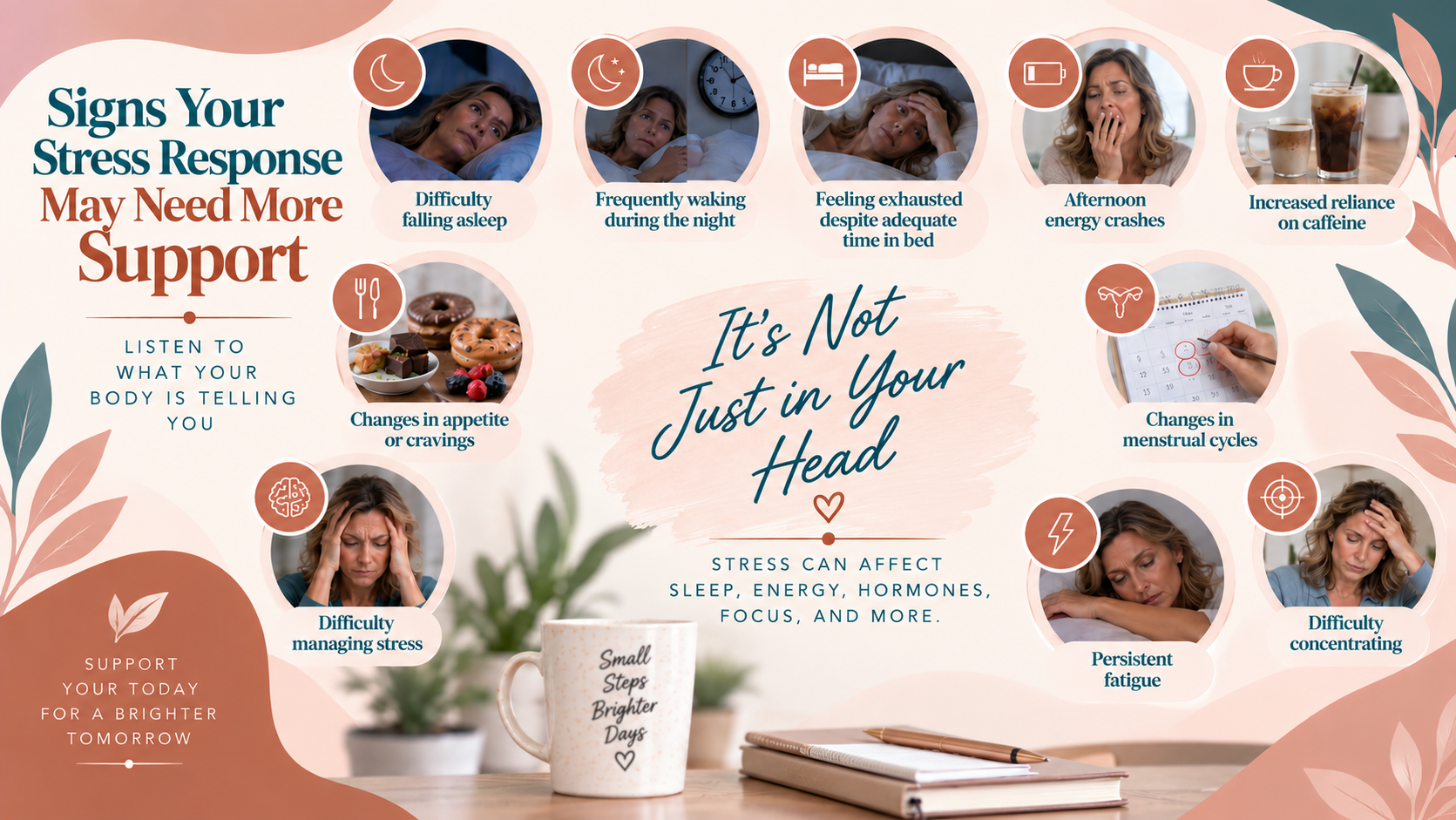
Signs Your Stress Response May Need More Attention
Cortisol itself cannot be diagnosed simply by looking at a symptom list.
However, certain experiences may be worth discussing with your healthcare provider, especially when several occur together.
You may notice:
Difficulty falling asleep
Frequently waking during the night
Feeling exhausted despite adequate time in bed
Afternoon energy crashes
Increased reliance on caffeine
Changes in appetite or cravings
Difficulty managing stress
Changes in menstrual cycles
Persistent fatigue
Difficulty concentrating
These symptoms can have many possible causes.
That's why symptoms should be viewed as clues rather than a diagnosis.
What Can You Do to Support Healthy Cortisol Regulation?
You don't need to completely change your life overnight.
Start with the foundations.
Prioritize Consistent Sleep
Aim for a regular sleep and wake schedule and create a nighttime routine that allows your body to transition toward rest.
Eat Balanced Meals
Include adequate protein, fiber-rich carbohydrates, healthy fats, and nutrient-dense foods to support overall metabolic health.
Move Your Body
Regular physical activity supports metabolic health, cardiovascular health, mood, and sleep. Choose activities that are appropriate for your health and fitness level.
Create Space for Stress Recovery
Stress management doesn't have to mean an hour of meditation every day.
A walk, breathing exercises, time outside, prayer, journaling, social connection, or simply taking intentional breaks can all provide opportunities for recovery.
Be Mindful of Caffeine
Caffeine can be helpful for many people, but excessive intake or consuming it too late in the day may interfere with sleep.
Don't Ignore Persistent Symptoms
If fatigue, sleep problems, menstrual changes, or unexplained weight changes continue despite your efforts, consider discussing them with a qualified healthcare professional.
The Functional Medicine Perspective
At Credence Functional Health, we don't believe every symptom can be explained by one hormone.
Instead, we look at the connections.
Stress → Cortisol → Sleep → Metabolism → Hormones → Overall Health
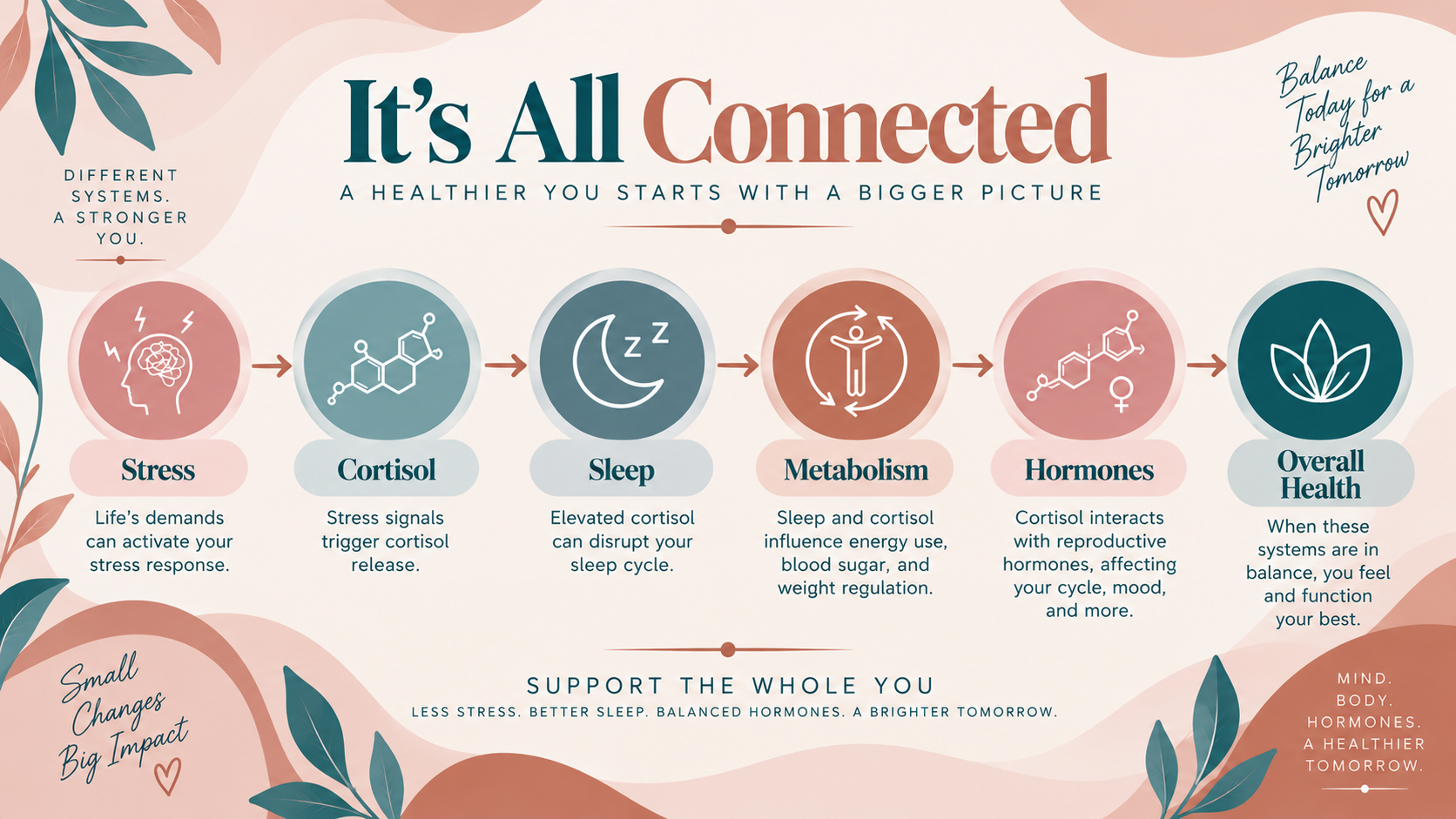
Your symptoms may involve several systems at once.
A functional medicine approach may consider your health history, lifestyle, nutrition, sleep, stress, medications, symptoms, and appropriate laboratory evaluation when clinically indicated.
The goal isn't simply to "lower cortisol."
The goal is to understand what may be influencing your health and address the factors that are relevant to you.
The Bottom Line
Cortisol is an essential hormone, not an enemy.
It helps your body respond to stress and participates in processes that support metabolism, energy regulation, immune function, and your daily sleep-wake rhythm.
But ongoing stress and disrupted sleep can influence cortisol regulation and interact with metabolic and reproductive systems. (PubMed Central (PMC))
If you're struggling with fatigue, sleep problems, changes in weight, cravings, or menstrual symptoms, don't automatically assume that cortisol is the cause.
Instead, look at the bigger picture.
Your symptoms may be telling you that it's time to take a closer look at how your stress, sleep, nutrition, hormones, and metabolic health are working together.
Ready to Take the Next Step?
If you're experiencing persistent fatigue, sleep problems, unexplained changes in weight, menstrual changes, or other hormone-related concerns, you don't have to figure it out alone.
👉 Schedule your consultation today at 320-226-7758 or book a Free Discovery Call.
Follow Credence Functional Health for more insights on gut health, hormones, and women's health:
Cortisol is only one part of a much bigger picture. Supporting sleep, stress management, nutrition, and metabolic health can help you better understand what your body may be communicating.
Frequently Asked Questions
Does high cortisol cause weight gain?
Cortisol is involved in metabolism and the stress response, but weight regulation is influenced by many factors. Research supports relationships between chronic stress, cortisol regulation, appetite, sleep, and metabolic health, but it would be too simplistic to say that cortisol alone causes weight gain. (PubMed Central (PMC))
Can stress affect my menstrual cycle?
Significant or chronic stress can influence the reproductive hormone system and may contribute to changes in ovulation or menstrual function in some women. The relationship is complex and varies between individuals. (PubMed Central (PMC))
Can cortisol affect sleep?
Yes. Cortisol normally follows a daily rhythm that is closely connected with the sleep-wake cycle. Stress-related HPA activation and sleep disruption can influence one another, potentially creating a cycle of stress and poor sleep. (PubMed Central (PMC))
Should I get my cortisol tested?
Cortisol testing is not automatically necessary for everyone experiencing stress, fatigue, or sleep problems. Testing decisions should be based on symptoms, medical history, clinical evaluation, and the specific question a healthcare professional is trying to answer.
How can I naturally support healthy cortisol levels?
Foundational habits such as consistent sleep, regular movement, balanced nutrition, stress management, and appropriate caffeine use can support overall health and healthy circadian rhythms. Persistent or concerning symptoms should be evaluated by a qualified healthcare professional.

Disclaimer:
This blog is intended for educational purposes only and does not constitute medical advice, diagnosis, or treatment. Hormonal birth control and hormone-related concerns are complex and should be evaluated by a qualified healthcare provider. At Credence Functional Health, we offer Functional Medicine as a complementary, integrative approach—not a replacement for traditional gynecological or mental health care. The strategies discussed in this blog may not be appropriate for every individual. Always consult your physician before making changes to medications, supplements, or health routines. We encourage you to partner with your medical team to ensure a safe, informed transition that supports your overall wellness.


