
The Estrobolome: The Gut Bacteria That Help Regulate Estrogen
The Estrobolome: The Gut Bacteria That Help Regulate Estrogen
When you think about estrogen, you probably think about your ovaries, menstrual cycle, fertility, or menopause.
But there is another part of your body that researchers are increasingly interested in when it comes to estrogen metabolism: your gut microbiome.
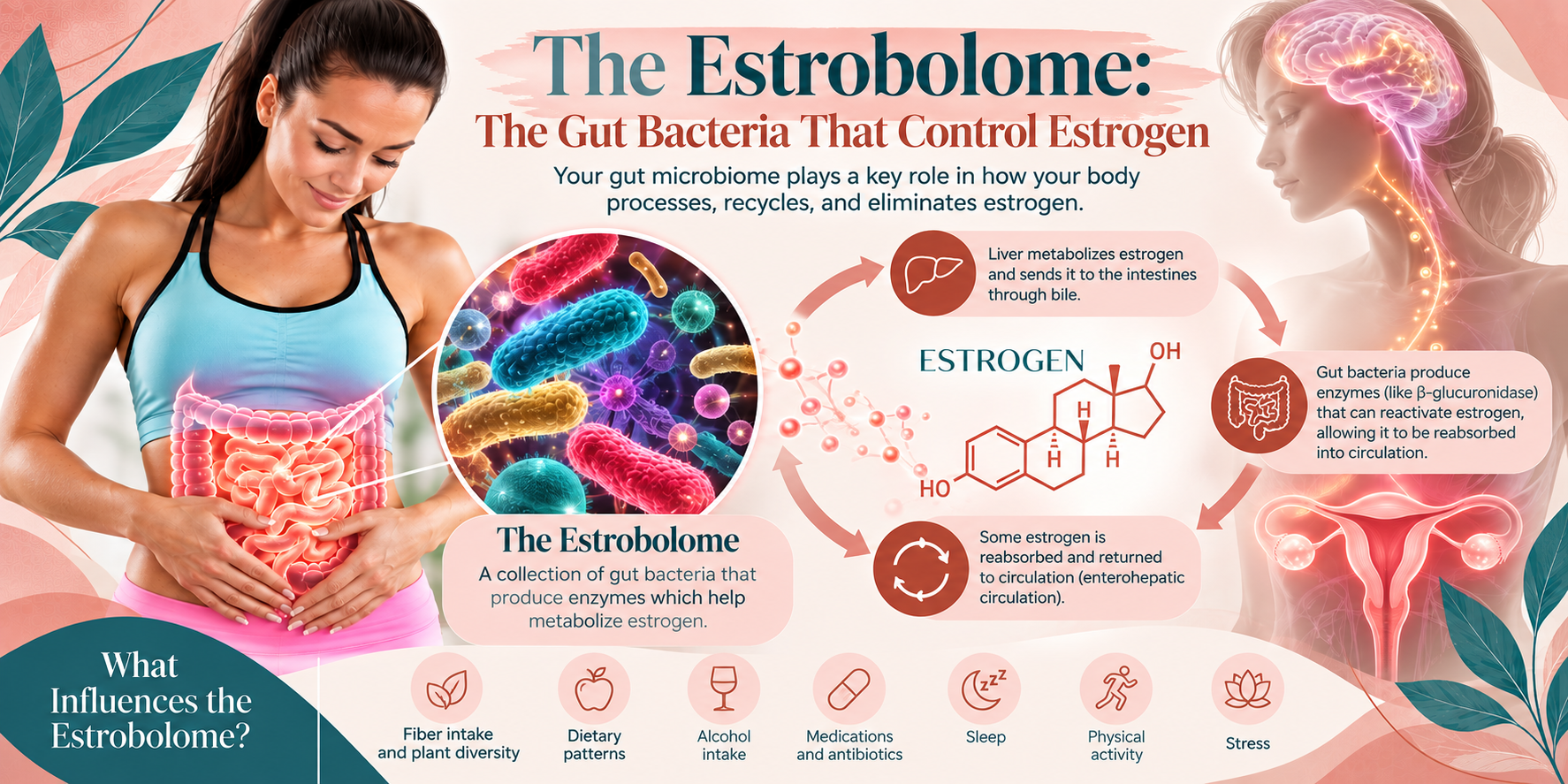
Inside your digestive tract lives a complex community of microorganisms. Some of the genes produced by these microbes encode enzymes that can participate in estrogen metabolism. Researchers refer to this collection of microbial genes and their functions as the estrobolome. PubMed
The estrobolome does not "control" your estrogen levels by itself, and it is not a single type of bacteria. Rather, it is one part of a much larger system involved in how estrogen is processed, recycled, and made available in the body.
For women dealing with hormonal changes, this gut-hormone connection is an important area of emerging research.
What Exactly Is the Estrobolome?
The estrobolome refers to the collection of gut microbial genes involved in estrogen metabolism.
Some of these microbes produce enzymes such as β-glucuronidase, β-glucosidase, and sulfatase, which can influence how estrogen compounds are processed in the intestine. PubMed
To understand why that matters, we need to look at what happens to estrogen after your body processes it.
Estrogen is metabolized primarily through the liver. The liver can attach molecules to estrogen, making it easier for the body to eliminate. Some estrogen metabolites are then transported through bile into the intestine.
Here's where the gut microbiome becomes relevant.
Certain bacterial enzymes can remove those attached molecules through a process called deconjugation. This can allow some estrogen compounds to be reabsorbed through the intestine and return to circulation.
This process is part of what's called enterohepatic circulation. PubMed
In simple terms:
Estrogen → liver metabolism → bile → intestine → microbial enzymes → possible reabsorption → circulation
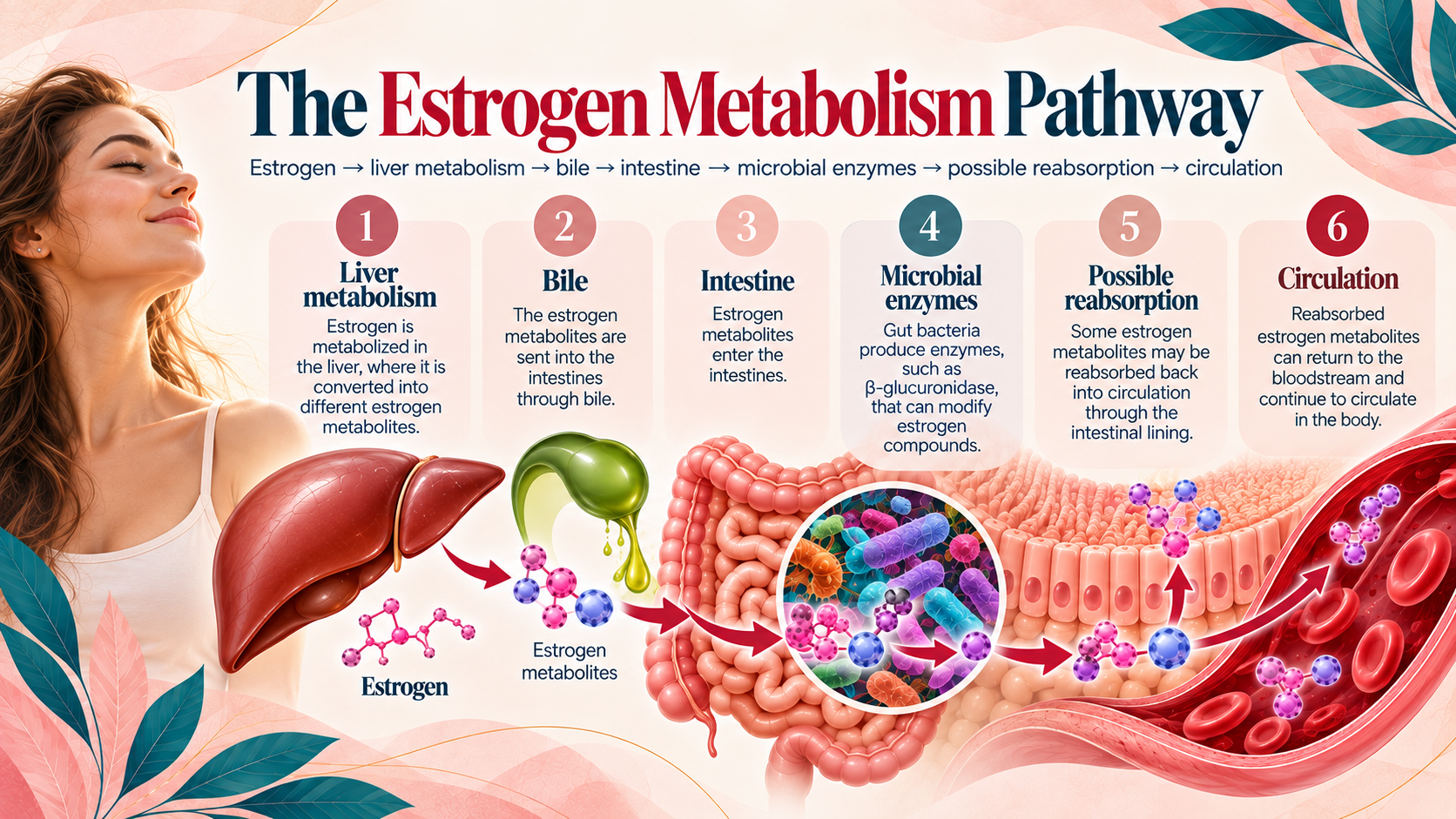
The estrobolome participates in this process.
Does the Gut Control Estrogen?
Not exactly.
This is an important distinction.
The gut microbiome can influence estrogen metabolism and availability, but it doesn't independently determine how much estrogen your body produces.
Your ovaries, adrenal glands, fat tissue, liver, medications, age, reproductive stage, and other physiological factors all contribute to estrogen biology.
The relationship is also bidirectional.
Estrogen can influence the gut microbiome, while the gut microbiome can influence aspects of estrogen metabolism. PubMed
So instead of thinking:
"My gut controls my estrogen."
Think:
"My gut is one of the systems involved in how my body processes and recycles estrogen."
That is a much more accurate way to understand the science.
Why β-Glucuronidase Gets So Much Attention
One of the enzymes researchers are particularly interested in is β-glucuronidase.
Some gut bacteria produce this enzyme, which can remove glucuronide groups from estrogen conjugates.
That can contribute to the reactivation and reabsorption of estrogen compounds in the intestine. PubMed
This is one of the mechanisms behind the proposed role of the estrobolome in estrogen homeostasis.
But here's an important point:
More β-glucuronidase isn't automatically better. Less isn't automatically better either.
The goal isn't simply to increase or decrease one bacterial enzyme.
The body is a complex system, and estrogen metabolism involves multiple pathways.
That's why the idea of simply "fixing your estrobolome" with a supplement is much more complicated than some wellness marketing makes it sound.
Your Gut Microbiome Is Unique to You
There is no single gut microbiome that every woman needs to have.
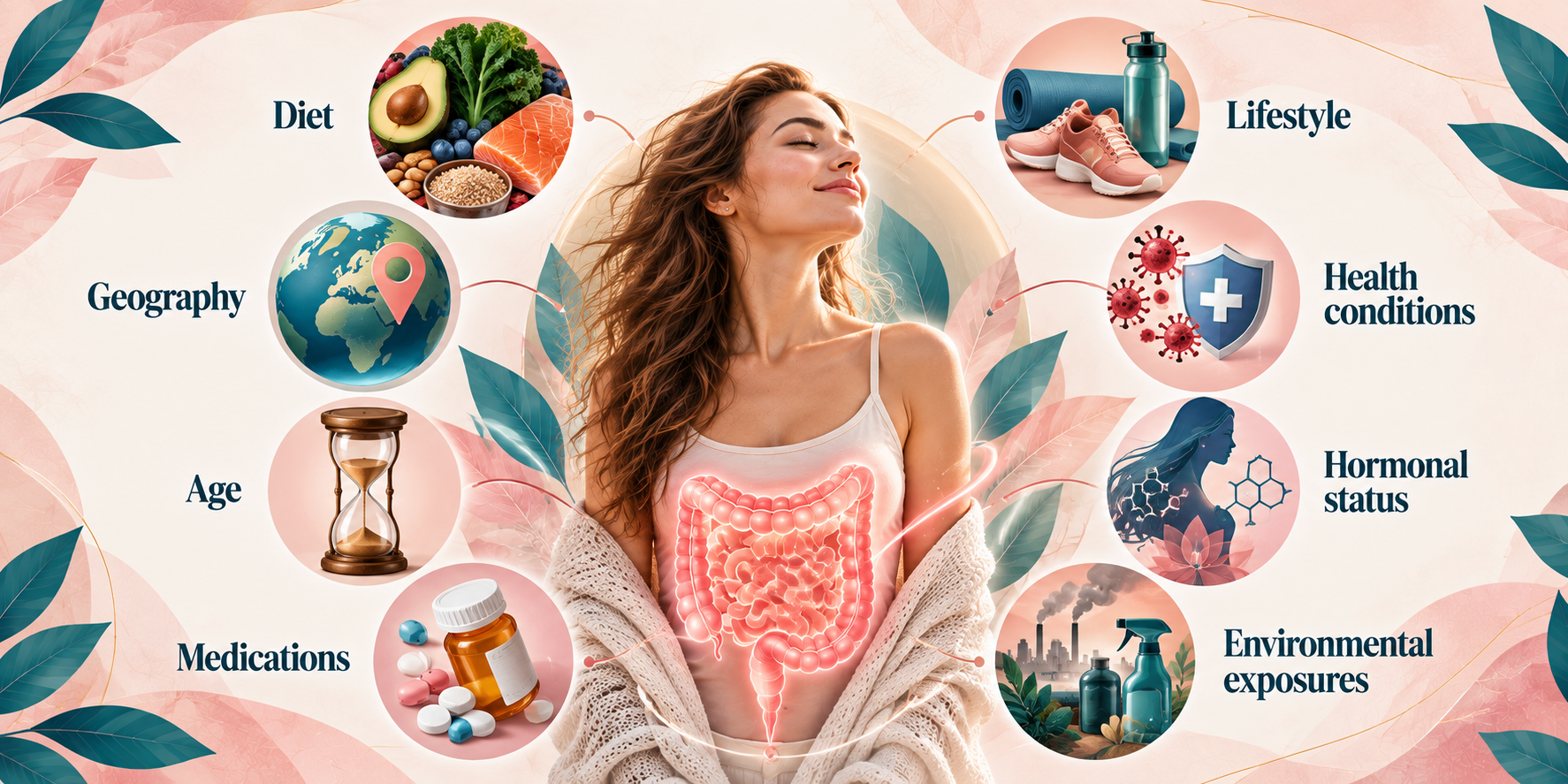
Microbial composition can vary significantly between individuals because of factors including:
Diet
Geography
Age
Medications
Lifestyle
Health conditions
Hormonal status
Environmental exposures
Recent research specifically highlights that there is no established ideal gut microbial composition for women across different stages of perimenopause and menopause. PMC
That means we should be cautious about claims that a specific bacterial species or probiotic will universally "balance estrogen."
The science is still evolving.
What Happens During Perimenopause and Menopause?
The gut-estrogen relationship becomes particularly interesting during the menopausal transition.
As ovarian estrogen production declines during menopause, the gut microbiome also undergoes changes. Researchers are investigating whether alterations in microbial diversity and function may contribute to differences in estrogen metabolism and menopause-related health outcomes. PMC
Some studies have found associations between gut microbial characteristics and estrogen metabolites.
However, researchers have not established a simple cause-and-effect relationship where a specific microbiome causes menopause symptoms.
That's an important distinction.
Menopause is fundamentally driven by changes in ovarian function and estrogen production. The gut microbiome may influence aspects of estrogen metabolism and overall health during this transition, but it doesn't replace the role of the ovaries.
What Does This Have to Do With Women's Health?
Estrogen isn't only about periods and fertility.
Estrogen interacts with multiple systems throughout the body, including the:
Reproductive system
Bones
Cardiovascular system
Brain
Metabolism
Skin
Urinary and vaginal tissues
That's why changes in estrogen can affect women in many different ways.
Researchers are studying whether the gut-estrogen relationship may have implications for conditions and health concerns involving estrogen signaling, including menopause and some hormone-related diseases. PubMed
However, much of the evidence remains observational or mechanistic, meaning we know that biological relationships exist, but we don't yet know exactly how changing the estrobolome will affect clinical outcomes in individual women.
This is an area where research is moving quickly.
What Influences the Estrobolome?
Your gut microbiome is influenced by much more than probiotics.
Several factors can shape the microbial environment of your digestive tract.
Fiber and Plant Diversity
Fiber provides fuel for many gut microbes.
Eating a variety of plant foods can provide different types of fibers and other compounds that interact with the microbiome.
Think:
Vegetables
Fruits
Beans and lentils
Whole grains
Nuts
Seeds
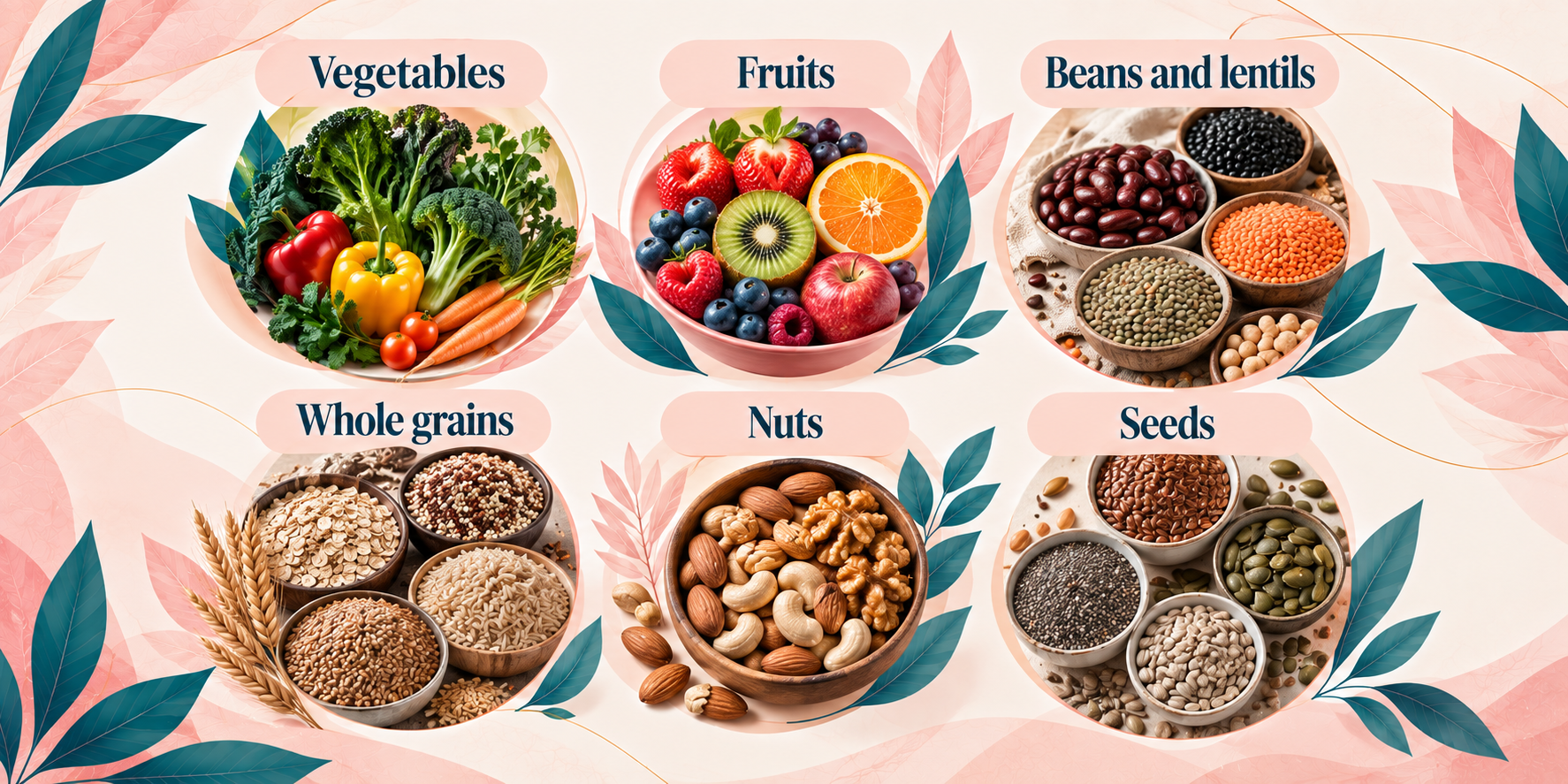
Rather than focusing on one "superfood," think about variety.
Overall Dietary Pattern
Your overall dietary pattern matters more than one individual food.
A diet rich in minimally processed foods and diverse plant foods can support a healthier gut environment.
Medication and Antibiotic Exposure
Medications can affect the gut microbiome.
Antibiotics are particularly important because they can substantially alter microbial communities.
That doesn't mean you should avoid medically necessary antibiotics. It means medication history can be relevant when considering someone's gut health.
Interestingly, emerging research is also examining how long-term medications may influence estrobolome-associated enzyme activity, although direct evidence in postmenopausal women remains limited. PubMed
Alcohol
Alcohol intake can influence the gut microbiome and gastrointestinal environment.
This is another reason that lifestyle factors should be considered when looking at gut health as part of a broader health picture.
Stress and Sleep
Your gut doesn't exist separately from your nervous system.
Stress and sleep can influence digestion, appetite, immune function, and the gut microbiome.
That's another reason why gut health isn't simply about what you eat.
=
Be cautious with that phrase.
There is currently no universally accepted protocol for "fixing" the estrobolome.
Researchers are investigating the potential role of:
Prebiotics
Probiotics
Synbiotics
Dietary changes
Phytoestrogens
Microbiome-targeted therapies
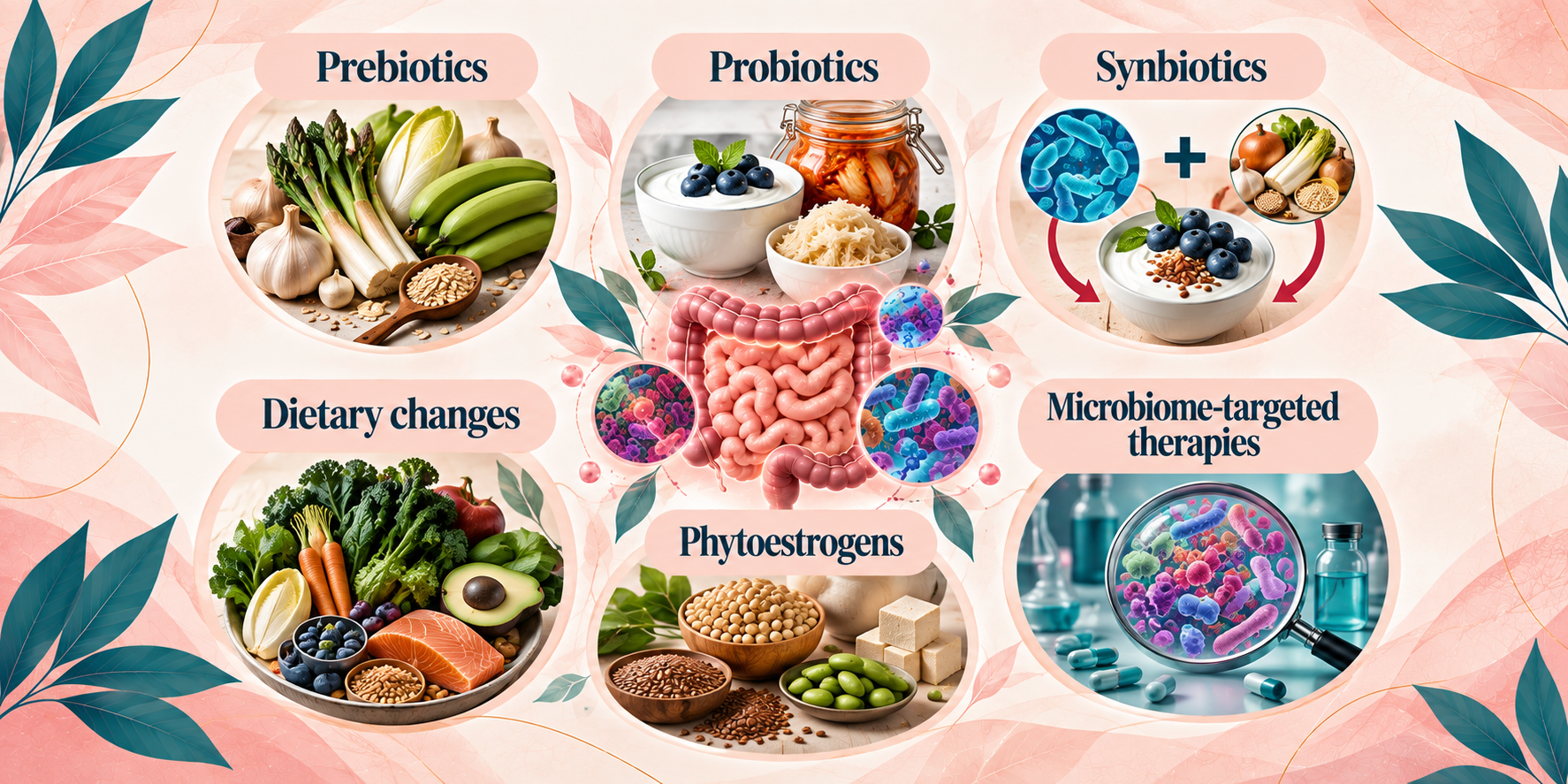
But the evidence is not strong enough to say that every woman should take a particular probiotic or supplement to manipulate estrogen metabolism. PMC
In fact, a recent review emphasizes that findings vary across populations and that more longitudinal research is needed to understand how diet, microbiome composition, estrogen metabolites, and symptoms interact over time. PubMed
So the goal shouldn't be:
"How do I manipulate my gut bacteria to increase or decrease estrogen?"
A better question is:
"How can I support a healthy gut environment while considering my overall hormonal health?"
Supporting Your Gut May Start With the Basics
You don't necessarily need an expensive supplement protocol.
Start with foundational habits.
Eat a variety of plants
Aim for variety rather than obsessing over one particular food.
Get enough fiber
Gradually increase fiber through whole foods if your digestive system tolerates it.
Prioritize whole foods
Build meals around nutrient-dense foods and minimize reliance on highly processed foods.
Stay physically active
Regular movement supports metabolic health and overall well-being.
Protect your sleep
Consistent, restorative sleep supports multiple systems involved in metabolic and hormonal health.
Manage chronic stress
Stress doesn't just affect your mood. It can influence digestion and the gut-brain connection.
Review medications with your healthcare provider
Never stop or change prescribed medication because of concerns about the microbiome. If you're wondering whether a medication may be affecting your digestive or hormonal health, discuss it with your healthcare professional.
What About Endometriosis, PCOS, or Other Hormonal Conditions?
This is where it is especially important to avoid oversimplification.
Researchers are investigating connections between gut microbiota, estrogen metabolism, inflammation, and conditions such as PCOS and endometriosis.
But the existence of an association does not mean that gut dysbiosis is the single cause of these conditions.
For example, research has associated alterations in the gut microbiome and estrobolome with several estrogen-related conditions, but researchers are still working to determine which changes are causes, consequences, or simply associated features of disease. PubMed
These conditions are complex and involve genetics, hormones, immune function, metabolism, environmental factors, and other biological pathways.
The gut may be one piece of that puzzle.
Why This Matters in Functional Medicine
At Credence Functional Health, we don't want to reduce your health to one test, one hormone, or one bacterial species.
If you're experiencing symptoms such as:
Irregular menstrual cycles
PMS
Bloating
Constipation
Changes in bowel movements
Acne
Fatigue
Weight changes
Hot flashes
Sleep changes
Mood changes
it's worth looking at the bigger picture.
Your digestive health, nutrition, stress, sleep, medications, hormonal status, and lifestyle may all provide useful context.
The goal isn't to blame your gut for every symptom.
It's to understand how the different systems in your body may be interacting.
The Bottom Line
The estrobolome is an emerging area of women's health research that helps us understand the relationship between the gut microbiome and estrogen metabolism.
Gut bacteria don't simply "control" your estrogen. Instead, certain microbial genes and enzymes can influence how estrogen is metabolized, deconjugated, and recirculated through the body. PubMed
And the relationship goes both ways: estrogen can also influence the gut microbiome.
We still have much to learn.
For now, the most practical approach is not to chase a perfect microbiome or manipulate one enzyme. Focus on the foundations of gut health while looking at your hormonal health as part of the bigger picture.
Takeaway: Your gut doesn't control your estrogen, but your gut microbiome is one important part of how your body processes and recycles estrogen. Supporting overall gut health may be one piece of supporting whole-body women's health.
Warmly,
Dr. Wanique Peterson, DC IFMCP
Credence Functional Health
Frequently Asked Questions
What is the estrobolome?
The estrobolome refers to the collection of gut microbial genes involved in estrogen metabolism, including genes that encode enzymes such as β-glucuronidase and sulfatase. PubMed
Does the estrobolome control estrogen levels?
No. The estrobolome does not independently control estrogen. It can influence estrogen metabolism and enterohepatic recycling, which may affect estrogen availability in circulation.
Can gut bacteria increase estrogen?
Certain microbial enzymes can deconjugate estrogen metabolites in the intestine, potentially allowing some estrogen to be reabsorbed through enterohepatic circulation. This is one mechanism by which gut bacteria may influence estrogen availability. PubMed
Can probiotics balance estrogen?
There isn't enough evidence to say that a particular probiotic universally "balances" estrogen. Research into probiotics, prebiotics, and microbiome-targeted approaches is promising but still developing. PMC
Is the estrobolome important during menopause?
It may be. Menopause involves a major decline in ovarian estrogen production, and research suggests that the gut microbiome and estrogen metabolism interact during this transition. However, the clinical significance of these changes is still being studied. PMC
Can diet affect the estrobolome?
Diet is one factor that can influence the gut microbiome. Fiber and plant-food diversity are particularly relevant to creating a supportive environment for gut microbes. However, there is no single diet proven to produce a specific "ideal" estrobolome.
👉 Schedule your consultation today at 320-226-7758 or book a Free Discovery Call.

Disclaimer:
This blog is intended for educational purposes only and does not constitute medical advice, diagnosis, or treatment. Hormonal birth control and hormone-related concerns are complex and should be evaluated by a qualified healthcare provider. At Credence Functional Health, we offer Functional Medicine as a complementary, integrative approach—not a replacement for traditional gynecological or mental health care. The strategies discussed in this blog may not be appropriate for every individual. Always consult your physician before making changes to medications, supplements, or health routines. We encourage you to partner with your medical team to ensure a safe, informed transition that supports your overall wellness.


