
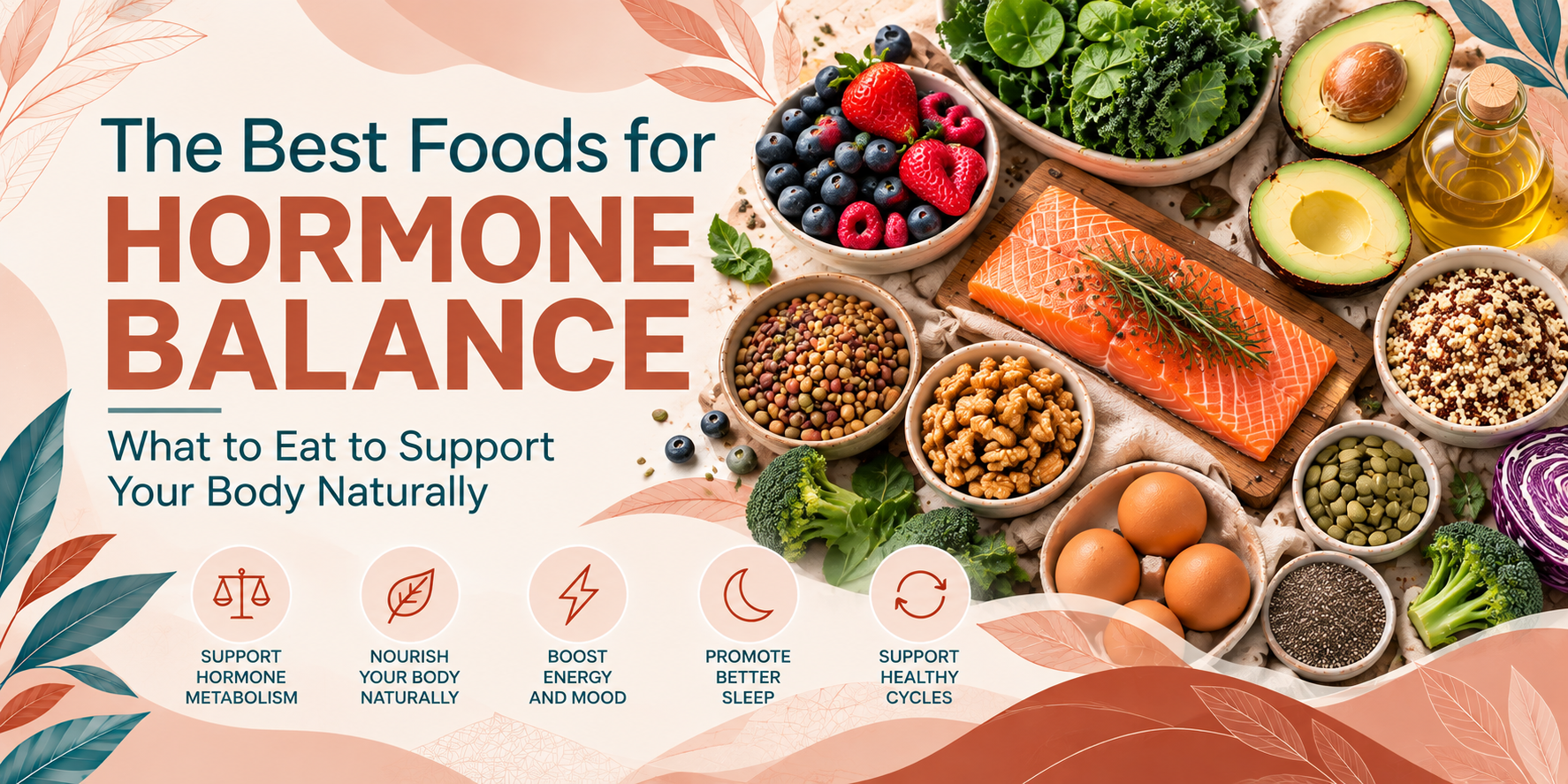
The Best Foods for Hormone Balance: What to Eat to Support Your Body Naturally
Hormones influence many of the processes that keep your body functioning, from metabolism and sleep to mood, menstrual cycles, and reproductive health. When you experience fatigue, irregular periods, changes in weight, or trouble sleeping, it is natural to wonder whether your hormones are involved.
Nutrition can play an important role in supporting hormonal health. Your body relies on adequate energy, protein, healthy fats, vitamins, minerals, and fiber to produce hormones, regulate blood sugar, and support the organs involved in hormone metabolism.
At Credence Functional Health, we look at the bigger picture of wellness. There is no single food that can balance every hormone, but building meals around nutrient-rich whole foods may help support the systems that influence hormonal function.
In this guide, Dr. Wanique Peterson, DC IFMCP, explores some of the best foods to include in a hormone-supportive eating pattern, why they matter, and practical ways to enjoy them.
What Does “Hormone Balance” Really Mean?
Hormones are chemical messengers produced by glands and tissues throughout your body. They help coordinate functions such as blood sugar regulation, metabolism, reproduction, stress responses, and sleep.
Insulin, cortisol, estrogen, progesterone, and thyroid hormones each have different roles. Supporting hormonal health means helping your body maintain appropriate hormone production, signaling, and responses, not trying to keep every hormone at the same level.
Your hormone needs also change throughout life. Menstrual cycles, pregnancy, perimenopause, menopause, aging, medications, and certain medical conditions can all influence hormone levels and how you feel.
Food is one part of the picture. A balanced eating pattern can provide the building blocks your body needs, support metabolic health, and supply nutrients involved in normal hormone function. It cannot, however, correct every hormonal condition or replace appropriate medical treatment.
10 Foods That May Support Hormone Health
1. Cruciferous Vegetables

Broccoli, cauliflower, Brussels sprouts, cabbage, and kale provide fiber, vitamins, minerals, and plant compounds called glucosinolates.
These compounds are studied for their role in cellular defense and the body's normal processing of certain compounds, including estrogen metabolites. However, eating cruciferous vegetables has not been proven to correct estrogen dominance or balance hormone levels by itself.
Their more established benefit is that they contribute to a nutrient-rich diet that supports digestive, metabolic, and overall health.
How to add them to your diet:
Roast broccoli with extra-virgin olive oil.
Add shredded cabbage to salads or grain bowls.
Steam cauliflower as a side dish.
Stir kale into soups or sautéed vegetables.
Aim for variety rather than relying on one vegetable or eating unusually large quantities.
2. Fatty Fish

Salmon, sardines, trout, and mackerel provide omega-3 fatty acids, including EPA and DHA. These fats are important components of cell membranes and participate in processes involved in inflammation and normal cell signaling.
Fatty fish can also provide protein, vitamin B12, and, depending on the variety, vitamin D. Adequate protein and essential nutrients help support normal body function, including the systems that regulate hormones.
Omega-3 fatty acids are not a universal hormone-balancing treatment, but including fish in a balanced diet can support cardiovascular and metabolic health.
How to add them to your diet:
Bake salmon with lemon and herbs.
Add sardines to whole-grain toast.
Serve grilled trout with vegetables.
Include fish in your weekly meal rotation.
If you do not eat fish, walnuts, chia seeds, and ground flaxseed provide plant-based omega-3 ALA, although the body converts it to EPA and DHA only in limited amounts.
3. Eggs

Eggs provide high-quality protein, choline, vitamin B12, and other nutrients involved in normal metabolism.
Protein helps maintain muscle and supports many functions throughout the body. Including protein in meals can also improve fullness and help create a more balanced eating pattern, especially when paired with fiber-rich carbohydrates and healthy fats.
Choline is important for cell membranes and normal nervous system function. Although eggs supply useful nutrients, no single food contains everything required for healthy hormone production.
How to add them to your diet:
Prepare eggs with spinach and tomatoes.
Enjoy a boiled egg with fruit.
Add eggs to a vegetable breakfast bowl.
Pair eggs with whole-grain toast and avocado.
If eggs are not suitable for you, beans, lentils, tofu, fish, and other protein sources can help meet your needs.
4. Berries and Colorful Fruits

Blueberries, strawberries, raspberries, oranges, kiwi, and other fruits provide vitamins, fiber, and polyphenols. These plant compounds have antioxidant properties and are being studied for their potential roles in metabolic and cellular health.
Fiber can help support digestion and healthy blood glucose regulation. This matters because insulin, the hormone that helps move glucose from the bloodstream into cells, plays an important role in overall metabolic and reproductive health.
A varied intake of fruits and vegetables is associated with several health benefits. No particular fruit, however, has been shown to balance every hormone.
How to add them to your diet:
Add berries to oatmeal or plain yogurt.
Enjoy an orange as a snack.
Blend fruit with protein-rich ingredients for a smoothie.
Pair fruit with nuts or seeds for a more satisfying snack.
Choose whole fruit regularly rather than relying mainly on juice, which generally contains less fiber.
5. Beans and Lentils

Beans, chickpeas, peas, and lentils provide plant-based protein, fiber, iron, magnesium, and other nutrients.
One reason legumes are useful for hormone-supportive nutrition is their effect on meal composition and blood glucose regulation. Fiber helps slow digestion, while protein and fiber together can make meals more satisfying.
Insulin resistance is relevant to several hormonal and metabolic conditions, including polycystic ovary syndrome (PCOS). Improving metabolic health can be an important part of PCOS management, although the condition has multiple contributing factors and cannot be treated through food alone.
How to add them to your diet:
Make lentil soup.
Add chickpeas to salads.
Use black beans in grain bowls.
Prepare hummus with vegetables or whole-grain crackers.
If legumes cause bloating, begin with smaller portions and increase them gradually as tolerated.
6. Whole Grains

Oats, quinoa, barley, and brown rice supply fiber, complex carbohydrates, and various vitamins and minerals.
Your body needs sufficient energy to support normal physiological functions. Consistently under-eating or following highly restrictive diets may make it harder to meet your nutritional needs, particularly during periods of increased demand.
Whole grains can help build balanced meals and support digestive and metabolic health. Their effects depend on the overall eating pattern, portion sizes, and individual health needs.
How to add them to your diet:
Start the morning with oatmeal.
Use quinoa as the base for a grain bowl.
Choose brown rice with protein and vegetables.
Add barley to soups and stews.
If you have celiac disease or another condition requiring specific dietary changes, choose grains that fit your medical needs.
7. Nuts and Seeds

Walnuts, almonds, chia seeds, ground flaxseed, and pumpkin seeds provide combinations of healthy fats, protein, fiber, and minerals.
Dietary fats are important for normal cell structure and many physiological processes. Seeds and nuts can also help make meals more satisfying while contributing nutrients such as magnesium and zinc, which participate in numerous functions throughout the body.
Flaxseed contains lignans, plant compounds that have been studied in relation to estrogen metabolism and menopausal health. However, evidence that flaxseed reliably reduces hot flashes or corrects estrogen imbalance remains insufficient.
How to add them to your diet:
Sprinkle ground flaxseed over oatmeal.
Add chia seeds to overnight oats.
Enjoy a small handful of walnuts.
Sprinkle pumpkin seeds over salads.
You do not need to consume large quantities or purchase expensive seed blends. Small, consistent additions are a practical starting point.
8. Soy Foods

Tofu, tempeh, edamame, and soy milk provide plant-based protein. Soy also contains isoflavones, which are compounds that can interact with estrogen receptors in the body.
This does not mean soy simply increases estrogen or causes hormonal imbalance. A systematic review of clinical trials found that soy isoflavones did not significantly affect several measures of estrogen activity in postmenopausal women. Research into soy and menopausal symptoms has produced mixed results, with some studies suggesting modest benefits for hot flashes.
For many people, whole soy foods can be a nutritious part of a balanced diet. The evidence on concentrated isoflavone supplements is different, and their long-term safety and effectiveness are less certain.
How to add them to your diet:
Add edamame to salads or grain bowls.
Use tofu in stir-fries.
Try tempeh as a protein source.
Choose unsweetened soy milk when appropriate.
If you have a medical condition or take medication that raises questions about soy intake, discuss your individual circumstances with your healthcare professional.
9. Fermented Foods

Plain yogurt with live cultures, kefir, kimchi, and sauerkraut are examples of fermented foods.
Some fermented foods contain live microorganisms, although the specific organisms and amounts vary by product. These foods may contribute to dietary variety and, in some cases, support aspects of gut health.
The gut microbiome is being studied for its relationship with estrogen metabolism, immune function, and metabolic health. However, researchers are still working to understand how specific microbial changes relate to hormone levels and symptoms in different individuals.
Fermented foods should not be marketed as a guaranteed way to balance estrogen or correct a hormone disorder.
How to add them to your diet:
Enjoy plain yogurt with berries.
Add kefir to a smoothie.
Serve kimchi alongside a meal.
Include small portions of sauerkraut if you enjoy its flavor.
Choose products that suit your preferences and digestive tolerance. If you are sensitive to particular fermented foods, there is no need to force them into your diet.
10. Extra-Virgin Olive Oil

Extra-virgin olive oil provides monounsaturated fats and plant compounds called polyphenols. It is a key component of Mediterranean-style eating patterns, which emphasize vegetables, fruits, legumes, whole grains, nuts, and healthy fats.
Replacing some sources of saturated fat with unsaturated fats can support cardiovascular health. This is relevant to hormonal health because metabolic and cardiovascular systems interact with several hormone-regulating pathways.
Olive oil is not a direct hormone treatment, but it can help make nutritious meals more satisfying and flavorful.
How to add it to your diet:
Use it in homemade salad dressings.
Drizzle it over roasted vegetables.
Add a small amount to cooked beans.
Use it in place of butter when appropriate.
The goal is to use olive oil as part of a varied diet, not to rely on it as a supplement or consume excessive amounts.
How to Build a Hormone-Supportive Plate
You do not need to eat all 10 foods every day. Instead, focus on building meals that provide a combination of nutrients and enough energy to meet your needs.
A simple approach is to include:
Protein: Eggs, fish, tofu, beans, lentils, or yogurt.
Fiber-rich carbohydrates: Oats, brown rice, quinoa, beans, fruit, or vegetables.
Healthy fats: Olive oil, nuts, seeds, avocado, or fatty fish.
Colorful produce: A variety of vegetables and fruits throughout the week.
For example, breakfast could be oatmeal with berries, ground flaxseed, and yogurt. Lunch might include salmon, quinoa, and roasted broccoli. Dinner could be tofu or lentils with brown rice and mixed vegetables.
The best eating pattern is one you can sustain, enjoy, and adapt to your individual nutritional needs.
Beyond Food: Other Factors That Influence Hormones
Nutrition matters, but hormone health is not determined by diet alone.
Prioritize sleep
Sleep supports normal metabolic and stress-related processes. Regularly getting insufficient sleep may affect appetite regulation, glucose metabolism, and how you feel throughout the day.
Move your body regularly
Walking, strength training, cycling, and other activities can support metabolic health, cardiovascular function, and mood. Choose activities that fit your abilities and can become part of your routine.
Manage ongoing stress
Stress activates systems involved in cortisol release and the body's response to challenges. Relaxation practices, enjoyable activities, social support, and appropriate mental health care may help you manage stress more effectively.
Avoid unnecessary restriction
Severely restricting calories, eliminating entire food groups without a clear reason, or following unbalanced diets can make it difficult to obtain enough nutrients. Your body needs adequate energy to support normal physiological functions.
Seek evaluation for persistent symptoms
Irregular periods, persistent fatigue, unexplained weight changes, hair thinning, hot flashes, and sleep disturbances can have many causes. If symptoms continue, a healthcare professional can help determine whether hormonal testing or other evaluation is appropriate.
Why a Personalized Approach Matters
Two women can experience similar symptoms for very different reasons. Fatigue, for example, may be associated with sleep problems, anemia, thyroid disease, stress, medication effects, or other conditions. Irregular cycles may relate to PCOS, perimenopause, pregnancy, or other reproductive health concerns.
A functional medicine approach considers the whole health picture, including symptoms, medical history, nutrition, sleep, activity, medications, and appropriate testing.
At Credence Functional Health, the goal is not to assume every symptom comes from a hormone imbalance. It is to understand what may be contributing to your concerns and identify appropriate next steps.
Food can be an important foundation, but some conditions require targeted medical care, medication, or other treatment in addition to lifestyle changes.
Frequently Asked Questions
1. What is the best food for hormone balance?
There is no single best food. A varied eating pattern that includes protein, healthy fats, whole grains, vegetables, fruits, legumes, and other nutrient-rich foods can help support overall health and normal hormone function.
2. How long does it take for diet to affect hormones?
There is no universal timeline. Changes in diet can influence factors such as blood glucose and nutrient intake over time, but the effects on specific hormones depend on your health, underlying conditions, and other lifestyle factors. Some hormonal conditions require medical treatment.
3. Can food balance estrogen naturally?
Food can provide nutrients that support normal metabolism and health, but no particular food is proven to reliably balance estrogen in everyone. Soy foods, flaxseed, and cruciferous vegetables have been studied in relation to estrogen, but the evidence does not support treating them as guaranteed solutions for estrogen imbalance.
4. Are carbohydrates bad for hormone health?
No. Carbohydrates provide energy, and foods such as oats, fruit, beans, and whole grains also supply fiber and other nutrients. Choosing balanced meals and considering your individual needs is generally more useful than eliminating carbohydrates without a medical reason.
5. Should I take supplements for hormone balance?
Not automatically. Supplements may be appropriate when there is a specific nutritional need or clinical indication, but they can also cause side effects or interact with medications. Be cautious of products promising to balance all hormones or correct hormone problems without proper evaluation.
6. Can diet help with PCOS or perimenopause?
A nutritious eating pattern can support metabolic and general health, which may be relevant for people with PCOS or those going through perimenopause. However, diet alone may not relieve all symptoms or treat every aspect of these conditions. Personalized medical guidance can help you understand your options.
Support Your Hormonal Health With a Personalized Plan
Hormone health is influenced by many interconnected factors, including nutrition, sleep, stress, activity, age, and underlying medical conditions. You do not need a perfect diet to begin supporting your well-being.
Start with small, sustainable changes. Add more variety to your meals, eat enough to meet your needs, include protein and fiber regularly, and seek professional guidance if symptoms persist.
If you want help understanding your health concerns and identifying an approach that fits your needs, Credence Functional Health can help you explore the next steps.
👉 Schedule your consultation today at 320-226-7758 or book a Free Discovery Call.
A balanced, varied eating pattern can support the systems involved in hormone health, but no single food can balance every hormone. Sustainable habits and individualized care are more valuable than restrictive diets or quick fixes.
References
Harvard T.H. Chan School of Public Health, Vegetables and Fruits.
National Center for Complementary and Integrative Health, Soy: Usefulness and Safety.
National Center for Complementary and Integrative Health, Menopausal Symptoms: In Depth.
Szczerba E, Koch M, Schlesinger S, et al. Effect of Soy Isoflavones on Measures of Estrogenicity: A Systematic Review and Meta-Analysis of Randomized Controlled Trials.
Endocrine Society, Diagnosis and Treatment of Polycystic Ovary Syndrome: Clinical Practice Guideline.

Disclaimer:
This blog is intended for educational purposes only and does not constitute medical advice, diagnosis, or treatment. Hormonal birth control and hormone-related concerns are complex and should be evaluated by a qualified healthcare provider. At Credence Functional Health, we offer Functional Medicine as a complementary, integrative approach—not a replacement for traditional gynecological or mental health care. The strategies discussed in this blog may not be appropriate for every individual. Always consult your physician before making changes to medications, supplements, or health routines. We encourage you to partner with your medical team to ensure a safe, informed transition that supports your overall wellness.


