
10 Foods That Help Reduce Inflammation Naturally

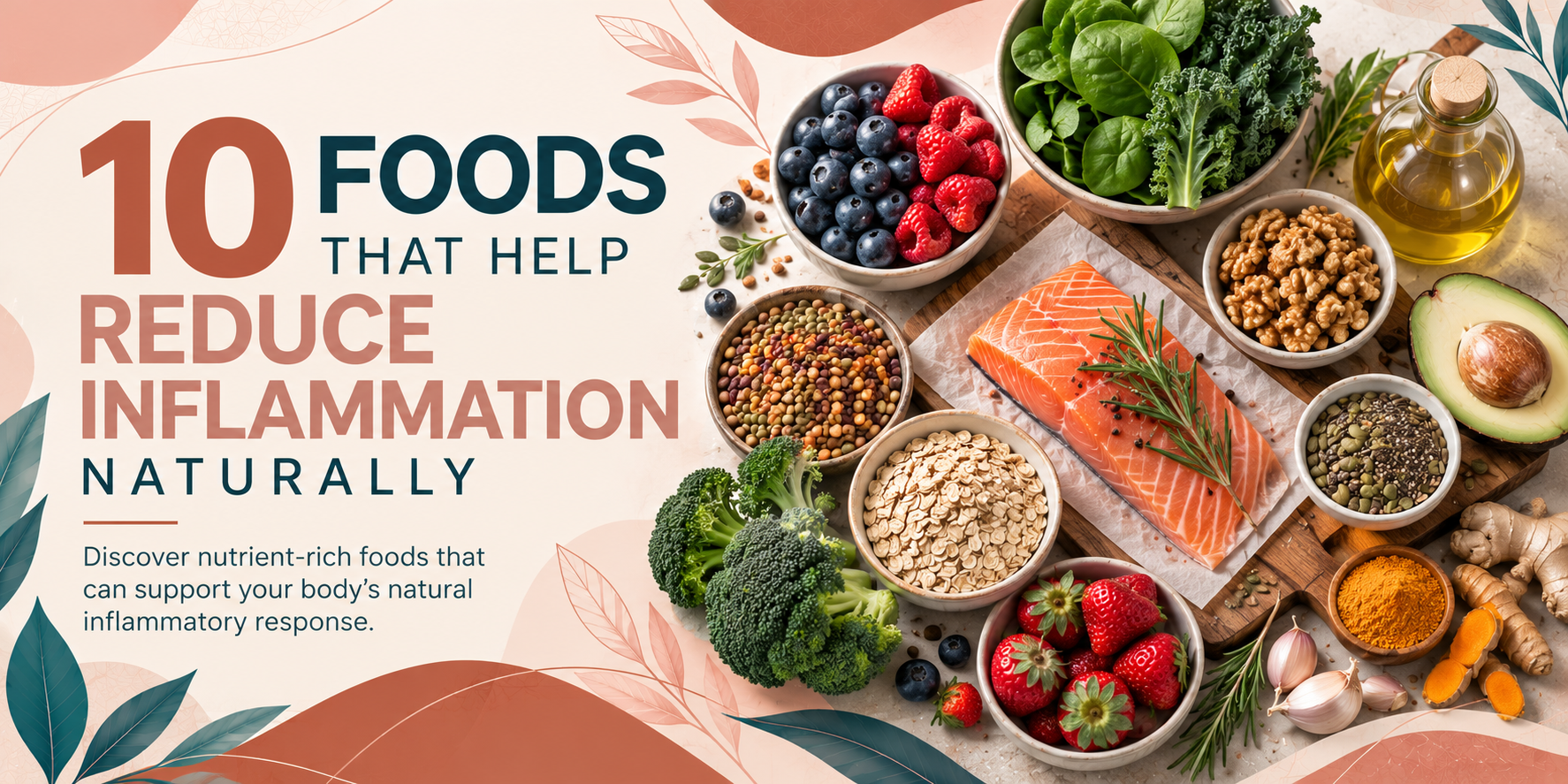
Chronic inflammation can affect more than just your joints. It may influence blood sugar regulation, cardiovascular health, gut function, and even the way your body responds to hormonal changes. While inflammation is a normal part of your immune system's defense, it can become a concern when it persists over time.
The good news is that your daily food choices can help support your body's natural inflammatory response.
At Credence Functional Health, we believe nutrition is an important part of understanding the bigger picture of your health. Certain foods provide antioxidants, fiber, healthy fats, and plant compounds that may help regulate inflammatory processes and support overall wellness.
In this guide, Dr. Wanique Peterson, DC IFMCP, shares 10 foods to consider adding to your routine, why they matter, and simple ways to enjoy them.
Understanding Inflammation and Your Diet
Inflammation is your body's natural response to injury, infection, or other threats. Short-term inflammation helps protect you and supports healing. Chronic inflammation, however, involves an ongoing immune response that may contribute to tissue damage and is associated with conditions such as cardiovascular disease and type 2 diabetes.
Your eating pattern is one factor that may influence inflammation. Research suggests that Mediterranean-style diets, which emphasize vegetables, fruits, whole grains, legumes, nuts, fish, and healthy oils, can improve certain markers of inflammation. The benefits come from the overall dietary pattern rather than any single food.
Let's look at some foods that can help you build that pattern.
1. Berries

Blueberries, strawberries, raspberries, and blackberries are rich in colorful plant compounds called polyphenols. These include anthocyanins, which give many berries their red, blue, and purple colors.
These compounds have antioxidant properties and may influence inflammatory pathways. Berries also provide vitamin C and fiber, making them a nutritious addition to a balanced diet. Research has associated berry intake with several markers of cardiometabolic health, although effects vary by study and individual.
How to enjoy them:
Add blueberries to oatmeal or plain yogurt.
Blend frozen berries into a smoothie.
Enjoy strawberries as a snack.
Add raspberries to a salad for a sweet, tangy flavor.
Fresh and frozen berries are both practical options. Choose varieties without added sugar when possible.
2. Fatty Fish

Salmon, sardines, trout, and mackerel provide omega-3 fatty acids, particularly EPA and DHA. These fats play important roles in cell membranes and help regulate processes involved in the body's inflammatory response.
Eating fatty fish regularly is associated with cardiovascular benefits. Some studies have also linked fish intake with lower levels of certain inflammatory markers, although results are not identical across all populations or health conditions.
How to enjoy them:
Bake salmon with olive oil, lemon, and herbs.
Add sardines to whole-grain toast or a salad.
Grill trout with vegetables.
Choose fish as a regular alternative to processed meat.
If you do not eat fish, walnuts, chia seeds, and flaxseeds provide plant-based omega-3 ALA. The body converts ALA into EPA and DHA only in limited amounts, so these sources are not nutritionally identical.
3. Extra-Virgin Olive Oil

Extra-virgin olive oil is a key part of the Mediterranean dietary pattern. It contains monounsaturated fat and plant compounds called polyphenols that may help influence oxidative stress and inflammatory pathways.
Replacing some sources of saturated fat with unsaturated fats, including olive oil, can support cardiovascular health. However, olive oil is not a treatment for an inflammatory condition on its own.
How to enjoy it:
Use it as the base for homemade salad dressing.
Drizzle it over roasted vegetables.
Add a little to cooked beans or lentils.
Use it in place of butter in suitable recipes.
Choose extra-virgin olive oil for dressings and everyday cooking where its flavor works well.
4. Leafy Green Vegetables

Spinach, kale, collard greens, and other leafy vegetables provide fiber, folate, vitamin K, carotenoids, and other beneficial plant compounds.
A diet rich in vegetables helps supply nutrients involved in normal immune function and cellular health. The fiber in plant foods also supports digestive function and provides nourishment for beneficial gut microbes.
For women navigating perimenopause or menopause, leafy greens can be a useful part of a balanced eating pattern that supports cardiovascular, bone, and metabolic health.
How to enjoy them:
Add spinach to eggs or smoothies.
Use kale as a base for salads.
Stir leafy greens into soups.
Sauté greens with garlic and olive oil.
If raw vegetables cause digestive discomfort, try cooked options and adjust portions to what you tolerate.
5. Nuts

Walnuts, almonds, and pistachios offer unsaturated fats, fiber, minerals, and plant compounds. Walnuts also contain ALA, a plant-based omega-3 fatty acid.
Studies have associated regular nut consumption with improved cardiovascular health and, in some cases, lower inflammatory markers. Nuts are also satisfying and can help make meals and snacks more balanced.
How to enjoy them:
Add chopped walnuts to oatmeal.
Keep a small portion of almonds available for snacks.
Sprinkle pistachios over salads.
Blend nut butter into smoothies without relying on added sugars.
Because nuts are energy-dense, a small handful is often a convenient serving. If you have a nut allergy, choose an appropriate alternative.
6. Seeds

Chia seeds, ground flaxseeds, pumpkin seeds, and hemp seeds offer a variety of nutrients, including fiber, minerals, healthy fats, and plant compounds.
Chia and flax provide ALA omega-3 fatty acids, while pumpkin seeds contribute magnesium and other nutrients. Fiber supports bowel regularity and gut microbial activity, both important parts of digestive health.
How to enjoy them:
Stir chia seeds into overnight oats.
Add ground flaxseed to smoothies.
Sprinkle pumpkin seeds over roasted vegetables.
Mix hemp seeds into yogurt or salads.
Increase fiber-rich foods gradually and drink enough fluids, particularly if you are not used to eating many seeds or other high-fiber foods.
7. Beans and Lentils

Beans, chickpeas, peas, and lentils are excellent sources of fiber and plant-based protein. They also contain minerals and polyphenols that contribute to a nutrient-rich diet.
Fiber can help support healthy digestion, feed beneficial gut bacteria, and moderate how quickly carbohydrates are absorbed. These effects may support blood sugar regulation, which is particularly relevant for people managing insulin resistance or other metabolic concerns.
How to enjoy them:
Add lentils to soups and stews.
Make a chickpea salad.
Include black beans in grain bowls.
Blend chickpeas into hummus.
If beans cause bloating, start with small portions, rinse canned beans thoroughly, and increase intake gradually. Persistent digestive symptoms may deserve further evaluation.
8. Whole Grains

Oats, quinoa, barley, and brown rice provide fiber, vitamins, minerals, and other nutrients. Whole grains retain more of their natural structure than refined grains, which can help support digestion and blood sugar regulation.
Their benefits depend on the overall diet and individual health needs. Whole grains are not inherently inflammatory for most people, but certain conditions, such as celiac disease, require specific dietary restrictions.
How to enjoy them:
Start the day with oatmeal and berries.
Use quinoa as the base for a grain bowl.
Choose brown rice with vegetables and protein.
Add barley to soups.
Look for whole grains among the first ingredients on packaged foods, and choose options that fit your digestive needs.
9. Cruciferous Vegetables

Broccoli, cauliflower, Brussels sprouts, and cabbage belong to the cruciferous vegetable family. They provide fiber, vitamins, and compounds such as glucosinolates, which are studied for their roles in cellular defense and normal detoxification pathways.
These vegetables can support a nutrient-rich eating pattern, but they do not directly detox your body or guarantee lower inflammation. Your liver, kidneys, and other systems already perform essential processes that help eliminate waste.
How to enjoy them:
Roast broccoli with olive oil.
Add shredded cabbage to salads.
Steam cauliflower as a side dish.
Roast Brussels sprouts with garlic and herbs.
Cooking these vegetables can make them easier to tolerate for some people. If you have a thyroid condition, you generally do not need to avoid normal servings of cooked cruciferous vegetables, but discuss significant dietary changes with your clinician if you have specific concerns.
10. Herbs and Spices

Ginger, turmeric, garlic, cinnamon, rosemary, and other herbs and spices contain plant compounds that have been studied for antioxidant and anti-inflammatory properties.
For example, ginger contains gingerols, while turmeric contains curcumin. Laboratory and clinical research has explored these compounds, but results depend on the dose, formulation, condition, and quality of the evidence. Using spices in food is not the same as taking concentrated supplements.
How to enjoy them:
Add fresh ginger to soups or tea.
Season roasted vegetables with turmeric and black pepper.
Use garlic and rosemary in marinades.
Add cinnamon to oatmeal or plain yogurt.
Be cautious with concentrated herbal supplements, particularly if you take medication, have a medical condition, or are preparing for surgery. Some supplements can interact with medications, and more is not always better.
How to Build an Anti-Inflammatory Eating Pattern
You do not need to eat all 10 foods every day or follow a restrictive diet to support your health. Start by making a few changes you can maintain.
Here are five practical steps:
Add more color to your plate. Include a variety of fruits and vegetables throughout the week.
Include fiber regularly. Choose beans, lentils, whole grains, seeds, and produce that you tolerate.
Choose healthy fats. Use olive oil, nuts, seeds, and omega-3-rich fish when appropriate.
Reduce highly processed foods when they crowd out nutritious choices. Pay particular attention to sugary drinks, heavily refined snacks, and processed meats.
Focus on the overall pattern. Consistency matters more than eating one so-called superfood.
A Mediterranean-style eating pattern has some of the stronger research support for improving certain inflammatory biomarkers, although individual responses vary and the evidence is not conclusive for every marker or condition.
What If You Still Have Symptoms?
Eating nutritious foods is a valuable foundation, but it is not a substitute for medical evaluation.
Ongoing fatigue, joint discomfort, digestive issues, changes in weight, or menstrual irregularities can have many possible causes. These symptoms alone do not confirm chronic inflammation, a hormone imbalance, or a specific gut condition.
At Credence Functional Health, a functional medicine approach considers your health history, symptoms, nutrition, lifestyle, and appropriate clinical testing to help determine what may be contributing to your concerns. The goal is to avoid assumptions and create a plan based on your individual needs.
This can be especially important for women experiencing changes during perimenopause, managing autoimmune conditions, or dealing with persistent digestive or metabolic symptoms. Nutrition may be one part of the plan, alongside sleep, physical activity, stress management, and appropriate medical care.
Frequently Asked Questions
1. What is the best food for reducing inflammation?
There is no single best food. Berries, fatty fish, leafy greens, nuts, legumes, and olive oil all provide nutrients that may support a healthy inflammatory response. The overall dietary pattern matters more than any one ingredient.
2. How quickly can an anti-inflammatory diet make a difference?
It varies based on your health, current eating habits, and other lifestyle factors. Some people may notice changes in digestion or energy over time, while changes in inflammatory biomarkers require appropriate testing. There is no guaranteed timeline.
3. Do I need to eliminate gluten or dairy to reduce inflammation?
Not necessarily. Gluten-free or dairy-free diets are appropriate for some people, including those with certain diagnosed conditions or intolerances, but they are not universally necessary. Avoid unnecessary restrictions without a clear reason, and seek professional guidance if you suspect a food-related problem.
4. Can these foods help balance hormones?
A nutrient-rich eating pattern may support metabolic health, which is connected to hormonal function. However, no food can guarantee balanced hormones, and persistent symptoms may require an individualized assessment.
5. Should I take anti-inflammatory supplements too?
Not automatically. Whole foods provide a combination of nutrients and fiber that supplements may not replicate. Supplements can also interact with medications or cause side effects. Discuss them with a qualified healthcare professional before starting them.
Take the Next Step Toward Better Health
Supporting your body's inflammatory response does not require a perfect diet or a long list of supplements. Start with practical changes, build meals around a variety of whole foods, and pay attention to what works for your body.
If symptoms persist despite healthy habits, consider looking beyond your diet alone. Understanding the factors that influence your health can help you make more informed decisions.
At Credence Functional Health, we take an individualized approach to helping you understand your health concerns and explore appropriate next steps.
👉 Schedule your consultation today at 320-226-7758 or book a Free Discovery Call.
Takeaway: A varied diet rich in colorful produce, healthy fats, fiber, and minimally processed foods may help support a healthy inflammatory response, but lasting progress comes from the overall pattern and a personalized approach to health.
References
Harvard Health Publishing, Anti-inflammatory diet: Foods that help reduce chronic inflammation.
Harvard Health Publishing, Fighting inflammation with food.
Harvard T.H. Chan School of Public Health, Diet Review: Anti-Inflammatory Diet.
Keshani M, et al. Mediterranean Diet Reduces Inflammation in Adults: A Systematic Review and Meta-analysis of Randomized Controlled Trials. Nutrition Reviews, 2026. PubMed.

Disclaimer:
This blog is intended for educational purposes only and does not constitute medical advice, diagnosis, or treatment. Hormonal birth control and hormone-related concerns are complex and should be evaluated by a qualified healthcare provider. At Credence Functional Health, we offer Functional Medicine as a complementary, integrative approach—not a replacement for traditional gynecological or mental health care. The strategies discussed in this blog may not be appropriate for every individual. Always consult your physician before making changes to medications, supplements, or health routines. We encourage you to partner with your medical team to ensure a safe, informed transition that supports your overall wellness.


