
The Gut-Endometriosis Connection Every Woman Should Know
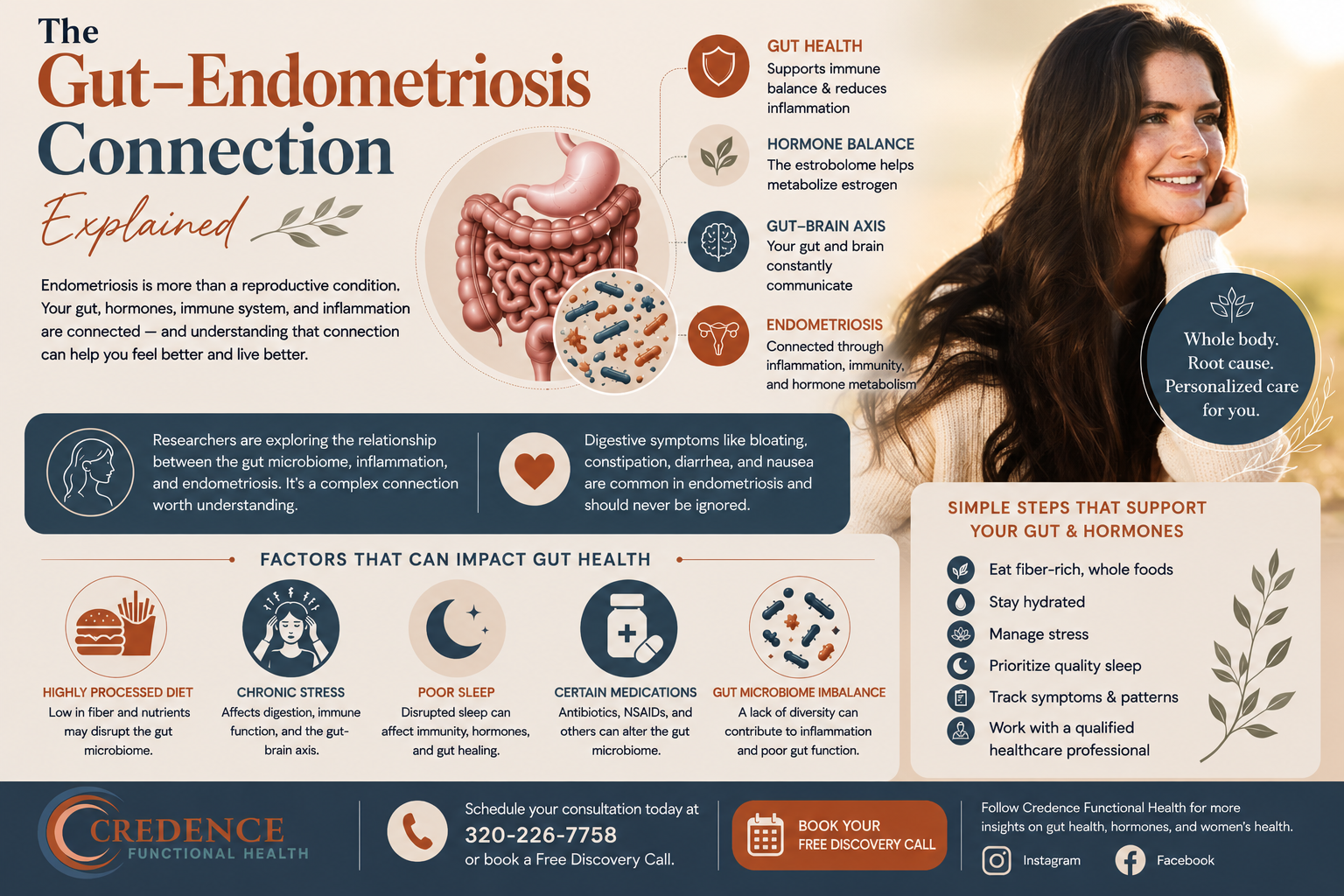
The Gut-Endometriosis Connection Explained
Why Endometriosis Is More Than a Reproductive Condition
Endometriosis is often thought of as a condition that only affects the uterus or ovaries.
But the story is much bigger.
Endometriosis is a chronic inflammatory condition, and many women also experience bloating, constipation, diarrhea, nausea, and other digestive symptoms.
At Credence Functional Health, we believe the gut deserves attention because it can influence inflammation, hormone metabolism, immune function, and overall well-being.
Understanding the connection between your gut and reproductive health can provide a more complete picture of what may be contributing to your symptoms.
How the Gut and Endometriosis Interact
Your digestive system does much more than process food.
It also plays an important role in:
Immune function
Inflammation
Nutrient absorption
Hormone metabolism
Communication with the brain
When gut health is disrupted, these systems may become less balanced, potentially adding another layer of complexity for women living with endometriosis.
This does not mean that poor gut health causes endometriosis. Rather, research suggests that the gut, immune system, hormones, and inflammatory pathways may interact in ways that are important to understand.
The Estrobolome: Your Gut's Role in Estrogen Balance
Have you heard of the estrobolome?
The estrobolome refers to a collection of gut bacteria involved in estrogen metabolism. These bacteria can influence how estrogen is processed after the liver prepares it for elimination.
When the gut microbiome is disrupted or less diverse, estrogen metabolism may also be affected.
Because endometriosis is influenced by estrogen, understanding how your body processes and eliminates hormones can be an important part of the bigger picture.
Supporting your gut does not replace conventional treatment for endometriosis. Instead, it can be one component of a comprehensive approach to women's health.
Why Digestive Symptoms Are So Common
Many women with endometriosis experience digestive symptoms such as:
Bloating
Constipation
Diarrhea
Pain with bowel movements
Nausea
Food sensitivities
Abdominal discomfort
These symptoms do not automatically mean the gut is causing endometriosis.
Instead, they highlight how closely the digestive, immune, hormonal, and reproductive systems can interact.
If digestive symptoms are affecting your quality of life, they should not simply be dismissed as something you have to live with.
The Functional Medicine Approach
Rather than asking only, "How can we manage this symptom?" functional medicine also asks:
What factors may be contributing to ongoing inflammation and symptoms?
At Credence Functional Health, we look at your health as a whole rather than treating each symptom in isolation.
Depending on your individual history and concerns, this may include looking at:
Gut health
Hormone balance
Nutrition
Inflammation
Blood sugar regulation
Stress and sleep
Lifestyle habits
Digestive symptoms
Overall health history
The goal is to understand the bigger picture and identify opportunities to support your health in a personalized way.
Actionable Steps You Can Take Today
You do not have to change everything at once. Small, consistent habits can make a meaningful difference in supporting your overall health.
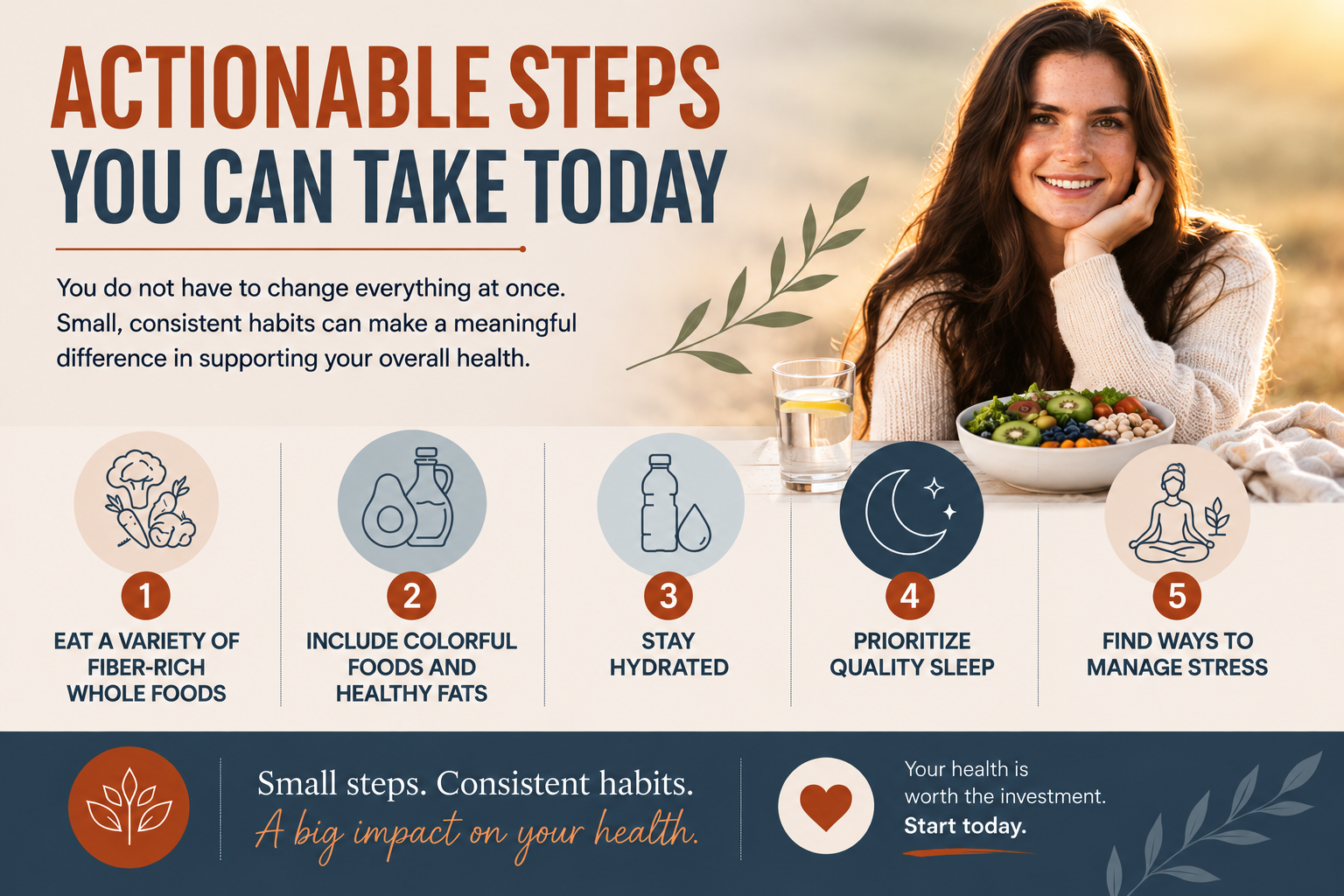
1. Eat a Variety of Fiber-Rich Whole Foods
If they are well tolerated, incorporate a variety of vegetables, fruits, legumes, nuts, seeds, and other fiber-rich foods into your diet.
2. Include Colorful Foods and Healthy Fats
A diverse, nutrient-dense diet provides your body with vitamins, minerals, antioxidants, and other compounds that support overall health.
3. Stay Hydrated
Adequate hydration can support digestion and regular bowel movements.
4. Prioritize Quality Sleep
Sleep plays an important role in immune function, stress regulation, metabolism, and recovery.
5. Find Ways to Manage Stress
Chronic stress can influence digestion, inflammation, and the gut-brain connection. Find stress-management strategies that are realistic and sustainable for you.
6. Keep a Symptom Journal
Track your digestive symptoms, menstrual cycle, food intake, sleep, stress, and other patterns. This can provide valuable information to discuss with your healthcare provider.
7. Work With a Qualified Healthcare Professional
If symptoms persist or interfere with your daily life, consider seeking professional guidance. A personalized evaluation can help determine what may be contributing to your symptoms and what steps may be appropriate for you.
The Bottom Line
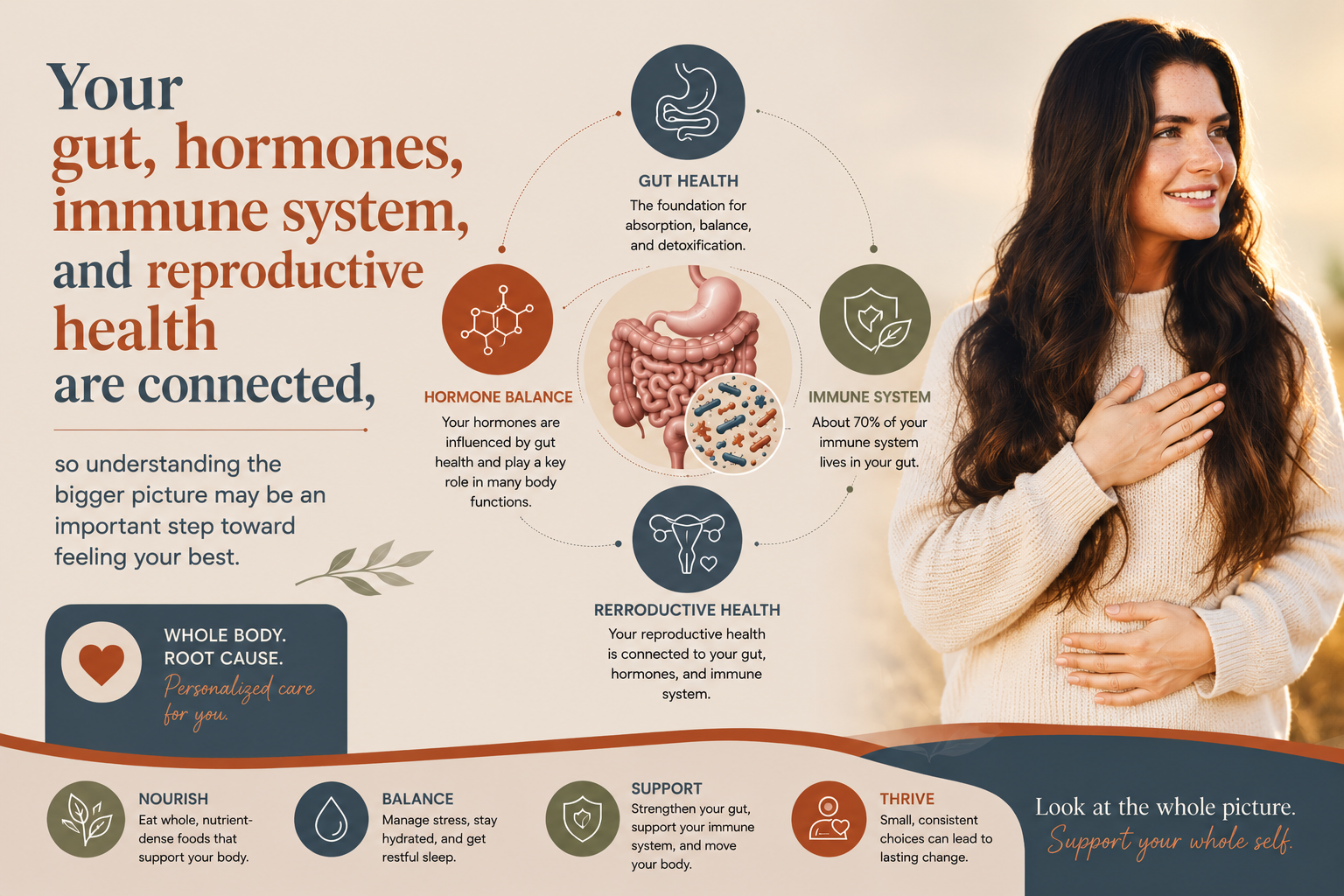
Endometriosis is more than a gynecologic condition, and your gut is more than a digestive organ.
The two systems can interact through inflammation, hormone metabolism, immune function, and the gut microbiome.
Understanding the gut-endometriosis connection does not mean blaming the gut for your condition. It means looking at the bigger picture and recognizing that your health is interconnected.
Your symptoms are clues, not something you simply have to accept as normal.
At Credence Functional Health, we believe understanding the whole picture can help you make more informed decisions and create a personalized approach to supporting your long-term health.
⏭️ Ready to Take the Next Step?
If you're struggling with endometriosis, bloating, digestive concerns, hormone imbalances, fatigue, or chronic inflammation, we're here to help.
👉 Schedule your consultation today at 320-226-7758 or book a Free Discovery Call.
Follow Credence Functional Health for more insights on gut health, hormones, and women's health:
Frequently Asked Questions
Can gut problems cause endometriosis?
Current evidence does not show that gut problems directly cause endometriosis. The gut and endometriosis may influence each other through inflammation, immune function, and hormone metabolism, but the relationship is complex and continues to be studied.
Why do I feel bloated with endometriosis?
Bloating is a common symptom among women with endometriosis. It may be related to inflammation, changes in bowel function, hormonal fluctuations, or other digestive factors. Persistent symptoms deserve a thoughtful evaluation rather than being dismissed.
What is the estrobolome?
The estrobolome refers to a collection of gut bacteria involved in estrogen metabolism. These bacteria can influence how estrogen is processed and eliminated by the body.
Can improving gut health help with endometriosis symptoms?
Supporting overall gut health may be one component of a comprehensive approach to women's health. However, gut health strategies should complement, not replace, appropriate medical evaluation and treatment for endometriosis.

Disclaimer:
This blog is intended for educational purposes only and does not constitute medical advice, diagnosis, or treatment. Hormonal birth control and hormone-related concerns are complex and should be evaluated by a qualified healthcare provider. At Credence Functional Health, we offer Functional Medicine as a complementary, integrative approach—not a replacement for traditional gynecological or mental health care. The strategies discussed in this blog may not be appropriate for every individual. Always consult your physician before making changes to medications, supplements, or health routines. We encourage you to partner with your medical team to ensure a safe, informed transition that supports your overall wellness.


